
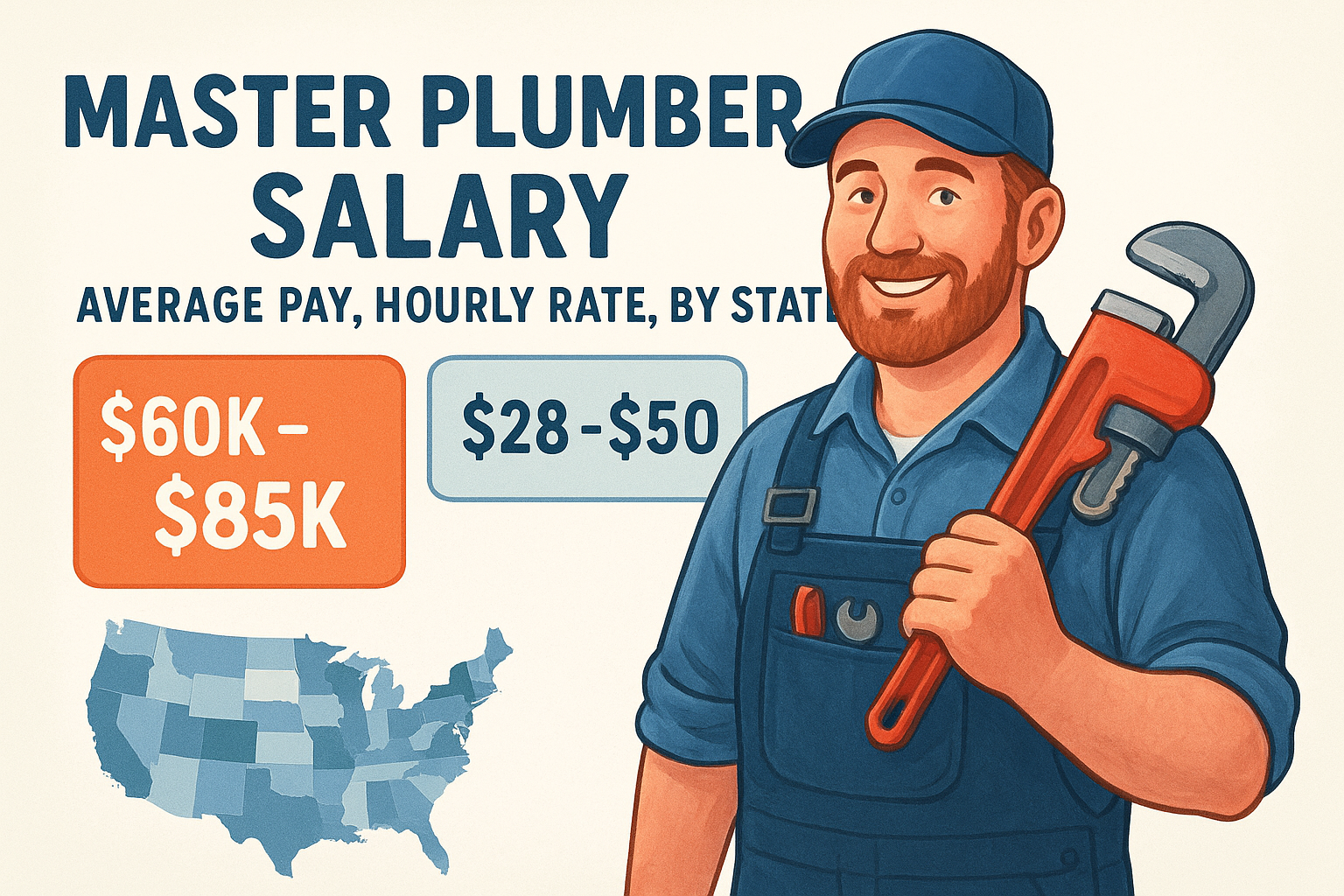
Master Plumber Salary: Average Pay, Hourly Rate, By State
Reaching master plumber status represents years of training, licensing exams, and hands-on experience. Naturally, that expertise should come with higher earning potential. So what does the master plumber salary actually look like across the United States?
The numbers vary significantly depending on where you work, who you work for, and whether you’re employed or running your own business. In this guide, we break down average annual pay and hourly rates, compare earnings by state, and show how master plumber wages stack up against journeyman positions. At PlumbingJobs.com, we help skilled tradespeople find opportunities that match their credentials, and understanding your market value is the first step toward landing the right role.
Master plumber salary at a glance
Understanding the full compensation picture helps you set realistic expectations and negotiate better opportunities. The master plumber salary typically reflects the top tier of plumbing income in most markets, though actual earnings depend on multiple factors including location, employer type, and whether you work independently or for a company.
Average annual salary
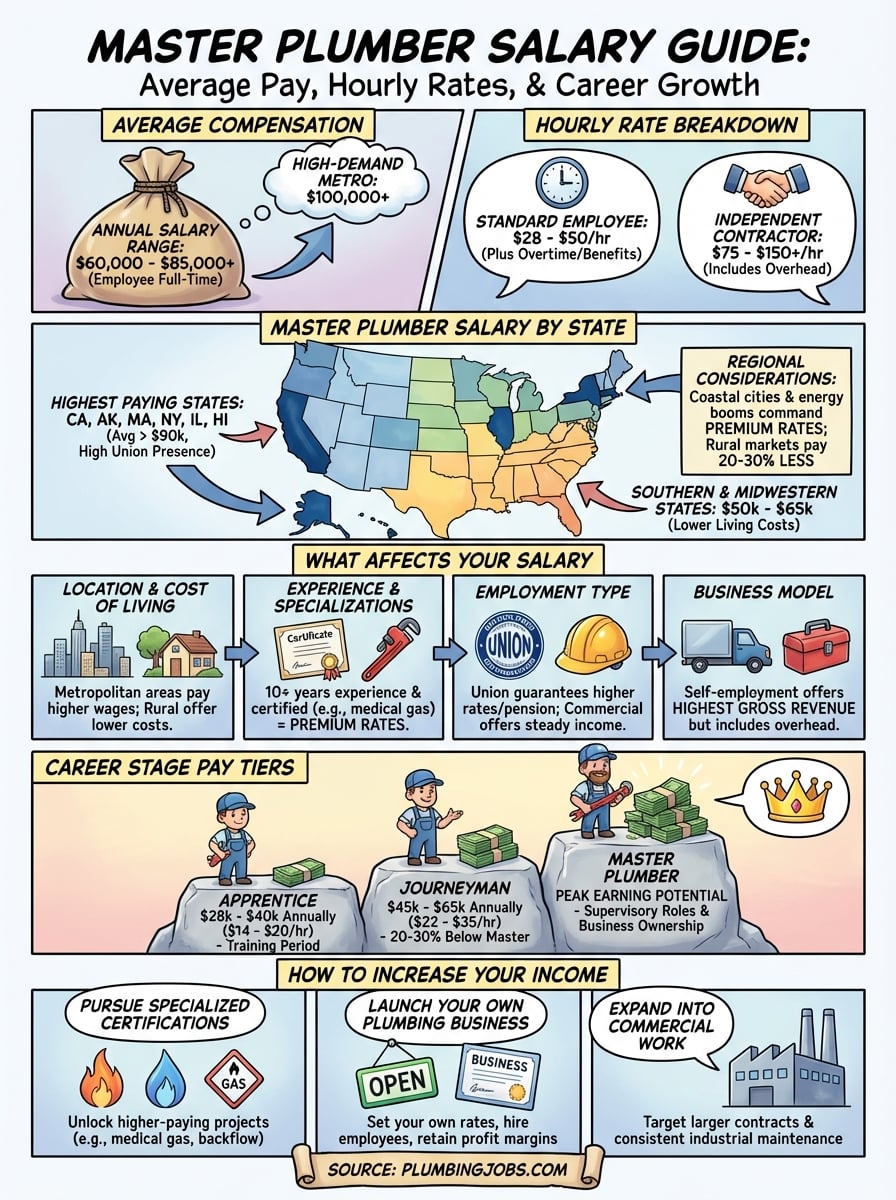
Across the United States, master plumbers earn an average annual salary between $60,000 and $85,000 when working full-time for an employer. This range accounts for regional differences, company size, and benefit packages. In high-demand metropolitan areas, your total compensation can exceed $100,000 annually, particularly if you combine base pay with overtime, bonuses, or profit-sharing arrangements.
Self-employed master plumbers who own their businesses often report gross revenues significantly higher than employee wages, though net income varies based on overhead costs, employee management, and business expenses. Your earning potential increases when you take on commercial projects, handle specialized installations, or serve as a licensed contractor who can pull permits and oversee complex jobs.
The highest earners typically combine technical expertise with business ownership or specialized certifications in areas like medical gas systems or backflow prevention.
Hourly rate breakdown
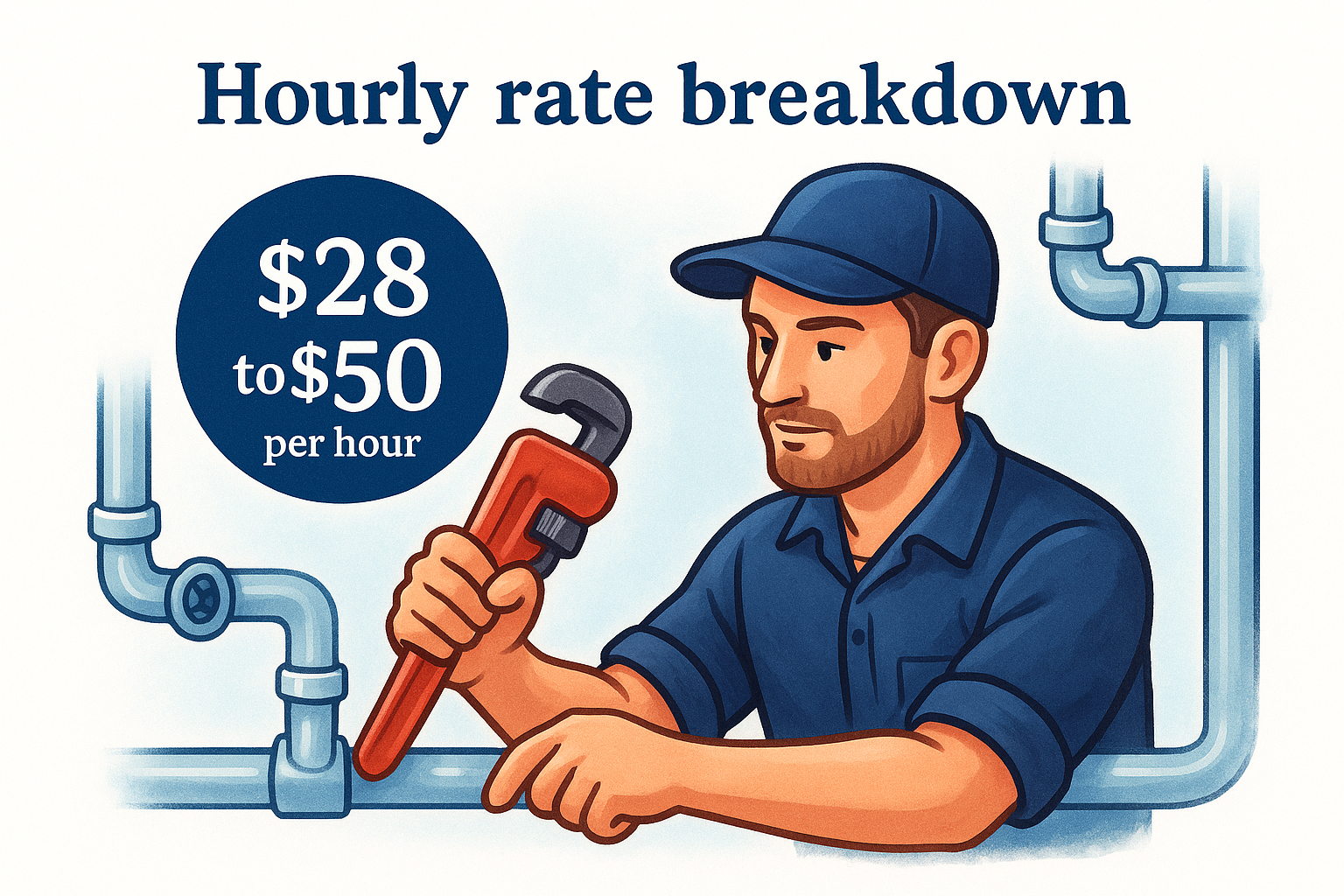
When you work hourly as a master plumber, rates generally fall between $28 and $50 per hour for standard employment positions. Overtime hours push that rate higher, with time-and-a-half bringing your effective hourly pay to $42 to $75 per hour during peak seasons or emergency calls. Union positions often guarantee higher hourly rates plus comprehensive benefits, while non-union roles may offer more flexibility in negotiating your compensation package.
Independent contractors typically charge $75 to $150 per hour or more for service calls, though you must account for your own insurance, licensing fees, tools, and vehicle expenses. Emergency rates for after-hours work can double or triple standard pricing, making availability during weekends and holidays a strategic income booster. Your geographic market heavily influences these rates, with coastal cities and energy-boom regions commanding premium hourly charges compared to rural or economically depressed areas.
What affects a master plumber salary
Your earnings as a master plumber depend on several variables that interact with each other. Understanding these factors helps you identify opportunities for higher pay and make strategic career decisions based on your priorities and circumstances.
Geographic location and cost of living
Where you work directly impacts your compensation range and purchasing power. Metropolitan areas with high housing costs typically offer elevated wage rates to attract qualified tradespeople, while rural markets may pay less but offer lower living expenses. Coastal states like California, New York, and Massachusetts consistently rank among the highest paying regions, with master plumber salary figures often exceeding national averages by 20 to 40 percent.
Local demand for new construction, aging infrastructure, and stringent building codes all drive regional pay differences.
Experience and specializations
Your years in the trade translate directly into earning potential beyond the basic master license. Master plumbers with 10 or more years of experience command premium rates compared to newly licensed professionals. Specialized certifications in medical gas systems, fire suppression, or commercial backflow prevention open doors to higher-paying projects that general residential plumbers cannot access.
Employment type and business model
Working for a large commercial contractor provides steady income and benefits, while union membership typically guarantees higher hourly rates plus pension contributions. Self-employment as a licensed contractor offers the highest gross revenue potential but requires you to manage overhead costs, insurance, and business operations that employed plumbers never face.
Master plumber salary by state
Regional differences create dramatic pay variations for the same master plumber credentials. Your location choice impacts both your take-home income and your career trajectory, making it worthwhile to research state-by-state compensation data before accepting positions or relocating for work.

Highest paying states
California, Alaska, and Massachusetts consistently lead the nation in master plumber salary figures, with average annual earnings frequently surpassing $90,000. In these markets, you benefit from strong union presence, high construction activity, and strict licensing requirements that limit competition. Alaska’s remote locations and harsh weather conditions push hourly rates even higher, sometimes reaching $60 to $70 per hour for standard employment positions.
New York, Illinois, and Hawaii also rank among top-tier states where your expertise commands premium compensation. Metropolitan areas within these states offer the highest concentrations of well-paying opportunities, particularly in commercial construction and industrial maintenance sectors.
States with rigorous licensing processes and higher living costs typically provide the strongest wage premiums for master plumbers.
Regional considerations
Southern and Midwestern states generally offer lower average salaries ranging from $50,000 to $65,000 annually, though your purchasing power may equal or exceed coastal markets due to reduced housing and living expenses. Texas presents a unique case with rapidly growing cities like Austin and Dallas offering competitive wages that approach national averages despite the state’s lower cost of living.
Rural markets across all regions typically pay 20 to 30 percent less than urban centers, but you often face less competition and can build a loyal customer base more easily when operating independently.
Master plumber pay vs journeyman and apprentice
The plumbing career ladder creates distinct pay tiers based on licensing level and experience requirements. Understanding these salary differences helps you gauge your career progression and set realistic expectations as you advance through the trade. Master plumber salary figures represent the peak earning potential for employed plumbers, though the gap between levels varies significantly by region and employment type.
Journeyman plumber comparison
Journeymen typically earn $45,000 to $65,000 annually as full-time employees, placing them roughly 20 to 30 percent below master plumber compensation. Your hourly rate as a journeyman generally falls between $22 and $35 per hour, with overtime opportunities providing the primary path to boost your total earnings. The licensing difference matters most when pursuing supervisory roles or independent contractor work, as many states require master credentials to pull permits or operate a plumbing business.
Master plumbers can legally oversee projects and hire other tradespeople, creating income opportunities that journeymen cannot access independently.
Apprentice earnings
Apprentices start at the bottom of the pay scale, earning $28,000 to $40,000 annually during their training period. Your hourly wage as an apprentice ranges from $14 to $20 per hour, typically increasing with each year of completed training and classroom education. First-year apprentices often earn minimum wage or slightly above, while fourth-year apprentices approaching journeyman status can reach the lower end of journeyman pay scales in competitive markets.
How to increase your master plumber income
Your master plumber salary doesn’t have to plateau once you receive your license. Multiple strategies exist to boost your earning potential beyond standard employment wages. Whether you focus on additional certifications, business ownership, or strategic career moves, your income trajectory remains under your control with the right approach.
Pursue specialized certifications
Adding credentials in medical gas systems, fire suppression, or backflow prevention opens doors to higher-paying projects that general plumbers cannot access. These specializations typically require additional training and testing, but they command premium hourly rates that justify the investment. Medical gas work in hospitals and healthcare facilities, for example, often pays 30 to 50 percent above standard plumbing rates due to strict regulatory requirements and liability considerations.
Specialized certifications create barriers to entry that reduce competition and increase your market value.
Launch your own plumbing business
Self-employment as a licensed contractor provides the highest earning potential for master plumbers who understand business operations. Running your own company allows you to set your own rates, hire employees, and retain the profit margin that employers would otherwise capture. Your gross revenue can easily double or triple compared to employee wages, though you must account for overhead costs including insurance, licensing fees, vehicle maintenance, and marketing expenses.
Expand into commercial and industrial work
Commercial projects typically offer larger contracts and more consistent work than residential service calls. Industrial facilities require ongoing maintenance relationships that provide steady income streams throughout the year. Targeting property management companies, school districts, or manufacturing plants positions you for recurring revenue rather than one-time repair jobs.
Next steps
Understanding the master plumber salary landscape empowers you to make informed career decisions and negotiate better compensation packages. You now have concrete data to evaluate job offers accurately, plan your next career advancement, or assess whether launching your own business aligns with your financial goals and lifestyle preferences.
Your immediate next step depends on where you currently stand in the plumbing trade. If you already hold your master license and want better opportunities, actively seek out employers who recognize and reward your credentials with competitive wages. Those still working toward master status should focus on gaining specialized certifications and hands-on experience that command premium wages in your target market.
PlumbingJobs.com connects qualified tradespeople with employers across all 50 states who value expertise and compensate accordingly. Explore our plumbing industry blog for additional resources covering licensing requirements, career advancement strategies, and emerging market trends that directly impact your long-term earning potential.
Want plumbing jobs delivered to your inbox?
Want plumbing jobs delivered to your inbox?
Partner Site

