Plumbingjobs.com Logo

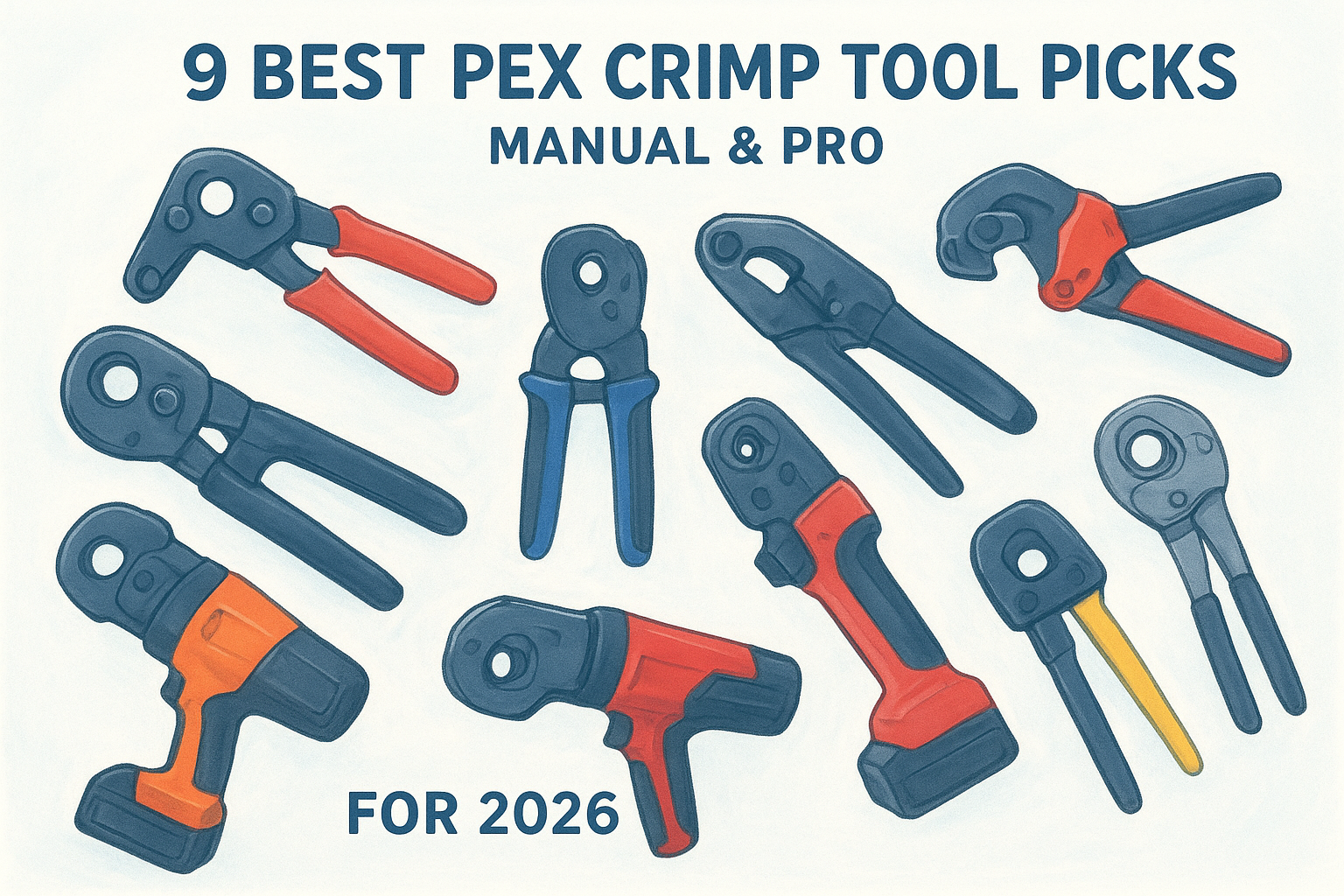
9 Best PEX Crimp Tool Picks (Manual & Pro) for 2026

9 Best PEX Crimp Tool Picks (Manual & Pro) for 2026

Picking the best PEX crimp tool can make or break your efficiency on the job. Whether you’re an apprentice building out your first toolkit or a seasoned journeyman replacing a worn-out crimper, the right tool needs to deliver consistent, leak-free connections every single time. Get it wrong, and you’re dealing with failed inspections, callbacks, and wasted fittings.

We put together this guide because at PlumbingJobs, we talk to plumbers and employers across the country every day. One thing that comes up constantly: professionals who know their tools stand out in interviews, on job sites, and in their careers. PEX systems dominate residential and light commercial work right now, so having a reliable crimp tool isn’t optional, it’s a baseline expectation.

Below, you’ll find 9 PEX crimp tools worth your money in 2026, covering everything from budget-friendly manual kits to battery-powered options built for high-volume production work. Each pick includes what it does well, where it falls short, and who it’s best suited for, so you can match the tool to your actual workload instead of guessing.

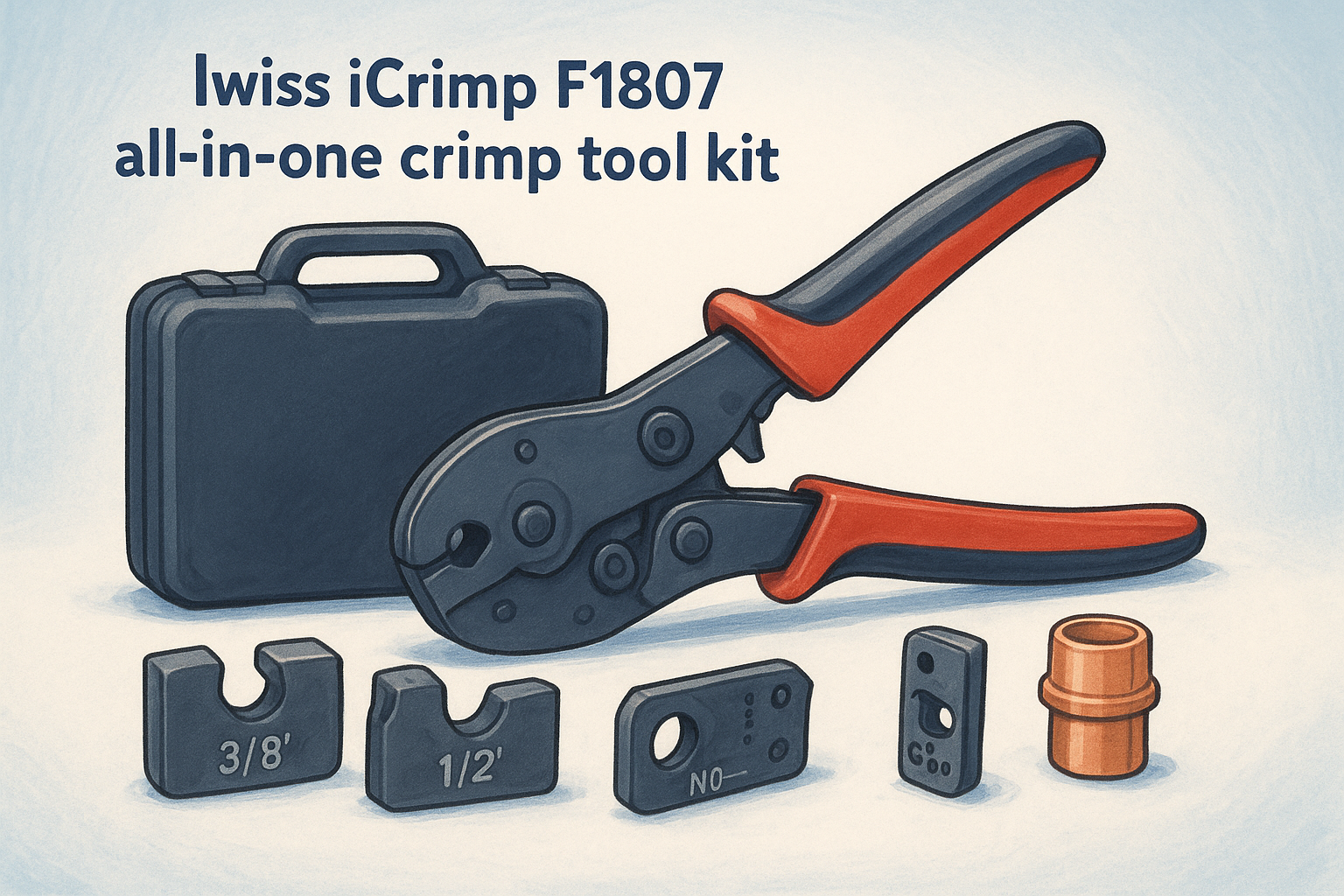
1. Iwiss iCrimp F1807 all-in-one crimp tool kit

The Iwiss iCrimp F1807 kit is one of the most recognized names in the manual PEX crimp tool category, and it earns that reputation by delivering solid, consistent crimps at a price point that won’t stretch your budget. If you’re hunting for the best PEX crimp tool that handles everyday residential work without unnecessary complexity, this kit belongs at the top of your shortlist.
1. Iwiss iCrimp F1807 all-in-one crimp tool kit

Why it made the list

The F1807 stands out because it ships as a complete, ready-to-work kit rather than forcing you to source heads and go/no-go gauges separately. You get multiple jaw sizes, a go/no-go gauge for connection verification, and a carrying case in a single purchase. That matters on the job site because you’re not digging through three different boxes to find the right head before making a connection.

A go/no-go gauge isn’t optional on professional work – it’s the only reliable way to confirm your crimp meets ASTM F1807 specifications without guessing.

Its ratcheting mechanism locks until the crimp is fully complete, which removes the risk of an under-crimped ring passing through undetected. That single feature eliminates a common source of callbacks on residential installs.

What it crimps and fits

This kit works with standard copper crimp rings that meet ASTM F1807 specifications. It covers the pipe sizes you’ll run into on most residential and light commercial jobs:

  • 3/8-inch
  • 1/2-inch
  • 3/4-inch
  • 1-inch (included in most kit configurations)

Compatibility extends across PEX-A, PEX-B, and PEX-C tubing, so you’re not locked into a single pipe manufacturer when you’re sourcing materials for a job.

Who should buy it

This kit suits apprentices and journeymen who want a reliable, all-in-one manual option that covers standard PEX work. If you’re stocking a new tool bag or replacing a worn-out crimper, the F1807 kit gives you everything in one purchase without hunting down accessories. It also works well for small plumbing contractors who want a dependable manual backup on every service truck, especially on jobs where a battery-powered tool is overkill.

Typical price range

Expect to pay $40 to $70 for the standard kit, depending on the retailer and the number of jaw sizes included. Configurations with additional heads or an extended gauge run slightly higher, but most plumbers find the base kit covers everything needed for day-to-day residential work. At that price, the value relative to performance is hard to match in the manual crimp segment.

2. SharkBite PEX crimp tool

SharkBite built its reputation on push-to-connect fittings, but its manual PEX crimp tool holds its own as a straightforward, no-frills option for plumbers who want a familiar brand name backing their work. It won’t win any awards for advanced features, but it delivers reliable copper ring crimps that meet standard specifications on everyday installs.

Why it made the list

The SharkBite crimp tool earns its spot because of brand consistency and parts availability. If you’re already running SharkBite fittings and copper crimp rings on a job, using a tool from the same manufacturer removes compatibility guesswork. The tool also features a full-cycle ratchet mechanism that prevents releasing the handles before the crimp is fully set, keeping your connections inside spec every time.

Sticking to a single brand’s fittings and crimp tooling on a job simplifies your materials list and reduces the chance of a mismatched connection causing a failure down the line.

What it crimps and fits

This tool works with ASTM F1807 copper crimp rings and covers the most common pipe sizes on residential plumbing work:

  • 1/2-inch
  • 3/4-inch
  • 1-inch

It handles PEX-A, PEX-B, and PEX-C tubing without issue, which keeps your options open when sourcing pipe for different projects.

Who should buy it

The SharkBite crimp tool is the right pick if you’re already deep in the SharkBite ecosystem and want your tooling to match your fittings. It also works for plumbers who want a solid backup crimp tool from a brand their supply house consistently stocks. If you’re researching the best pex crimp tool from a trusted trade brand, SharkBite is worth considering.

Typical price range

You’ll typically spend $35 to $55 for this tool, though it’s often sold as a standalone unit rather than a full kit, so budget for a separate go/no-go gauge.

3. Apollo PEX multi-head crimp tool kit

Apollo is a well-known name in the PEX fittings world, and their multi-head crimp tool kit brings that same brand reliability to your toolbox. The kit packages multiple interchangeable heads with a solid crimp body, giving you a versatile manual option that handles the most common pipe sizes without requiring you to swap out entire tools mid-job.

Why it made the list

Apollo’s kit stands out because the interchangeable head design makes it genuinely practical for plumbers working across multiple pipe sizes on the same job. You swap heads in seconds rather than carrying separate dedicated tools for each size. The tool also features a ratcheting mechanism that locks the handles through the full crimp cycle, so you can’t accidentally release before the ring is fully seated.

An interchangeable head system reduces what you carry to a job without sacrificing proper sizing on each individual connection.

What it crimps and fits

This kit works with ASTM F1807 copper crimp rings and covers the pipe sizes you’ll run into on most residential and light commercial work:

  • 3/8-inch
  • 1/2-inch
  • 3/4-inch
  • 1-inch

Apollo’s tool is compatible with PEX-A, PEX-B, and PEX-C tubing, keeping your sourcing options open regardless of which pipe brand your supplier stocks on a given project.

Who should buy it

This kit is a strong best pex crimp tool contender for service plumbers and journeymen who regularly move between pipe sizes on a single job. If you already purchase Apollo fittings through your supply house, pairing their crimp tool with their fittings keeps your system consistent and your spec documentation and warranty coverage clean.

Typical price range

Expect to pay $50 to $80 for the standard kit configuration. That price typically covers multiple interchangeable heads and a carrying case, which makes the per-head cost reasonable compared to purchasing individual dedicated tools separately.

4. Iwiss iCrimp IWS-FAS compact copper ring crimp kit

The Iwiss iCrimp IWS-FAS stands out from the rest of the iCrimp lineup because it prioritizes a compact, lightweight body that fits into tight spaces where a standard-frame crimper simply won’t clear. If you work in cramped mechanical rooms or under-sink installations, this tool is worth a close look.

Why it made the list

The IWS-FAS earns its place here because its narrow jaw profile lets you make clean crimps in spaces that would force you to reposition a full-size tool multiple times before getting a proper seat. The ratcheting mechanism still runs a full crimp cycle before releasing, so you’re not trading connection quality for the smaller frame size.

A compact tool that maintains a full ratchet cycle is genuinely useful, because tight-space tools that skip the lock-out feature are where under-crimped rings tend to show up during inspections.

What it crimps and fits

This kit works with ASTM F1807 standard copper crimp rings and covers the pipe sizes most common on residential service work:

  • 3/8-inch
  • 1/2-inch
  • 3/4-inch

It handles PEX-A, PEX-B, and PEX-C tubing, which keeps your options open across different material suppliers.

Who should buy it

This is the best pex crimp tool option for service plumbers and remodel specialists who regularly deal with retrofits and confined spaces. If your work frequently puts you behind cabinets, inside wall chases, or under fixtures, the compact frame pays off quickly. It also makes a practical secondary tool for journeymen who carry a standard crimper for open-area work and need something narrower as a backup.

Typical price range

Expect to pay $45 to $65 for the kit, which typically includes multiple jaw heads and a go/no-go gauge.

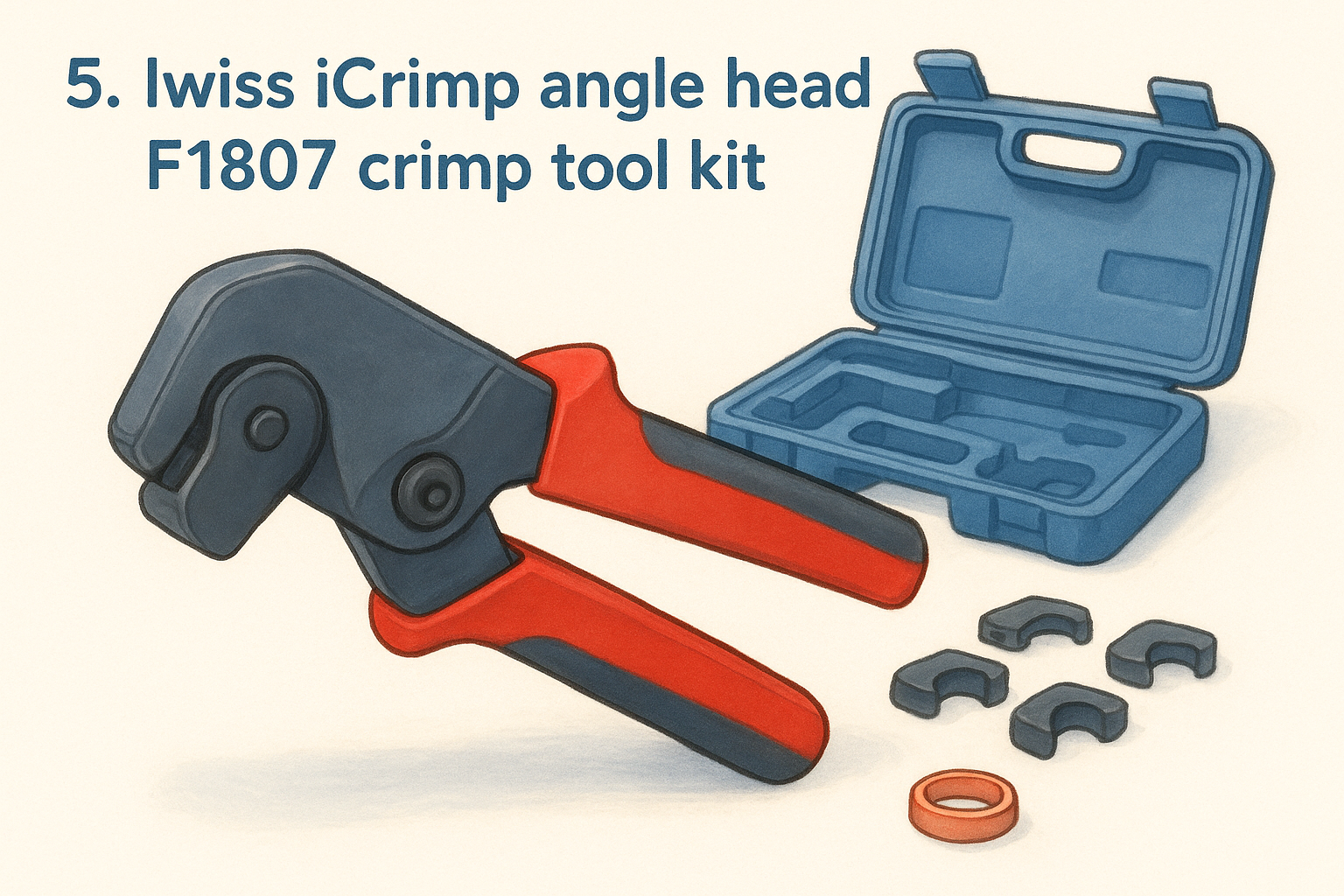
5. Iwiss iCrimp angle head F1807 crimp tool kit

The Iwiss iCrimp angle head F1807 kit solves a specific problem that a straight-jaw crimper can’t: making clean, fully-seated crimps on pipe runs that sit tight against walls, joists, or framing. Its angled head design rotates the jaw position so you can approach connections from an offset angle, removing the repositioning cycles that slow you down on rough-in and remodel work.
5. Iwiss iCrimp angle head F1807 crimp tool kit

Why it made the list

An angle head design is the defining feature here, and it’s a genuine problem-solver for plumbers who run into framing conflicts on a regular basis. The tool still uses a full-cycle ratcheting mechanism, so your crimps meet ASTM F1807 spec regardless of the approach angle. That combination of offset access and locked-cycle reliability is what separates this from improvising with a straight tool in a confined area.

If you regularly work near framing or in tight mechanical spaces, an angle head crimper pays for itself the first time it lets you complete a connection without cutting additional access.

What it crimps and fits

This kit works with ASTM F1807 copper crimp rings and handles PEX-A, PEX-B, and PEX-C tubing, keeping your material sourcing flexible across suppliers and job specs. Pipe size coverage includes:

  • 3/8-inch
  • 1/2-inch
  • 3/4-inch
  • 1-inch

Who should buy it

For rough-in plumbers and remodel specialists who frequently hit framing obstructions, this is the best pex crimp tool pick in the iCrimp lineup. If your standard crimper forces awkward approach angles that risk incomplete ring seating, the offset head removes that variable entirely.

Typical price range

Expect to pay $55 to $80 for this kit. Most configurations include multiple jaw heads and a carrying case, which makes the price reasonable given the specialized access it provides over a standard straight-head tool.

6. Plumbflex cinch clamp tool kit

The Plumbflex cinch clamp tool kit takes a different approach from copper ring crimping. Instead of pressing a copper ring onto the fitting, this tool tightens stainless steel cinch clamps that wrap around the PEX tube. That difference matters on jobs where you want a faster mechanical connection or where your local supplier stocks cinch clamps more readily than copper rings.

Why it made the list

Cinch clamp tooling is consistently overlooked in best pex crimp tool conversations, but it’s a legitimate connection method that meets ASTM F2098 specifications and works on the same pipe systems as copper ring crimping. The Plumbflex kit stands out because it covers multiple clamp sizes with a single tool body, reducing what you carry without forcing you to compromise on sizing accuracy. The tool’s jaw design also allows for one-handed positioning, which helps when you’re making connections in tight spaces where your free hand is steadying the pipe.

Stainless steel cinch clamps resist corrosion better than copper crimp rings in exposed or damp installations, which makes them a practical choice on crawl space and outdoor plumbing runs.

What it crimps and fits

This tool works with stainless steel cinch clamps that meet ASTM F2098 specifications. It covers the pipe sizes you’ll encounter on most residential jobs:

  • 3/8-inch
  • 1/2-inch
  • 3/4-inch
  • 1-inch

It’s compatible with PEX-A, PEX-B, and PEX-C tubing from any manufacturer.

Who should buy it

This kit works well for service plumbers and residential contractors who want a cinch clamp option as a primary or backup tool. If your supply house stocks cinch clamps reliably, this kit fits cleanly into your workflow.

Typical price range

Expect to pay $40 to $65 for the standard kit configuration, including multiple jaw sizes and a carrying case.

7. Iwiss iCrimp CRP1096 PEX cinch tool kit

The CRP1096 is Iwiss’s dedicated cinch clamp tool, and it brings a more refined grip design and tighter jaw geometry compared to generic cinch options on the market. If you already run iCrimp tooling in your bag, this tool slots naturally into that ecosystem while giving you a cinch clamp option alongside your copper ring setup.

Why it made the list

Iwiss built the CRP1096 to deliver consistent, full-cycle clamp tightening across multiple pipe sizes without requiring a separate tool body for each size. The jaw adjustment sits inside a single compact frame, so switching between 1/2-inch and 3/4-inch clamps takes seconds rather than a full tool swap. The ergonomic handle design also reduces hand fatigue on multi-connection runs, which matters when you’re wiring up an entire home’s PEX system in a single day.

If you already carry Iwiss crimp tooling, adding the CRP1096 gives you a cinch clamp option without introducing a different brand’s warranty process or adjustment learning curve.

What it crimps and fits

This tool works with stainless steel cinch clamps that meet ASTM F2098 specifications and covers the pipe sizes you’ll encounter on most residential and light commercial jobs:

  • 3/8-inch
  • 1/2-inch
  • 3/4-inch
  • 1-inch

Compatible with PEX-A, PEX-B, and PEX-C tubing, it keeps your sourcing flexible regardless of which pipe brand your supplier stocks on a given project.

Who should buy it

This is the best pex crimp tool add-on for plumbers already committed to the iCrimp lineup who want a cinch clamp capability without switching manufacturers. It also suits contractors running mixed connection types across job sites who want a reliable, adjustable cinch tool at a competitive price point.

Typical price range

Expect to pay $35 to $60 for this kit, which typically includes multiple jaw sizes and a carrying case. That pricing puts it in line with comparable single-brand cinch tools while keeping your overall tooling investment inside one manufacturer’s ecosystem.

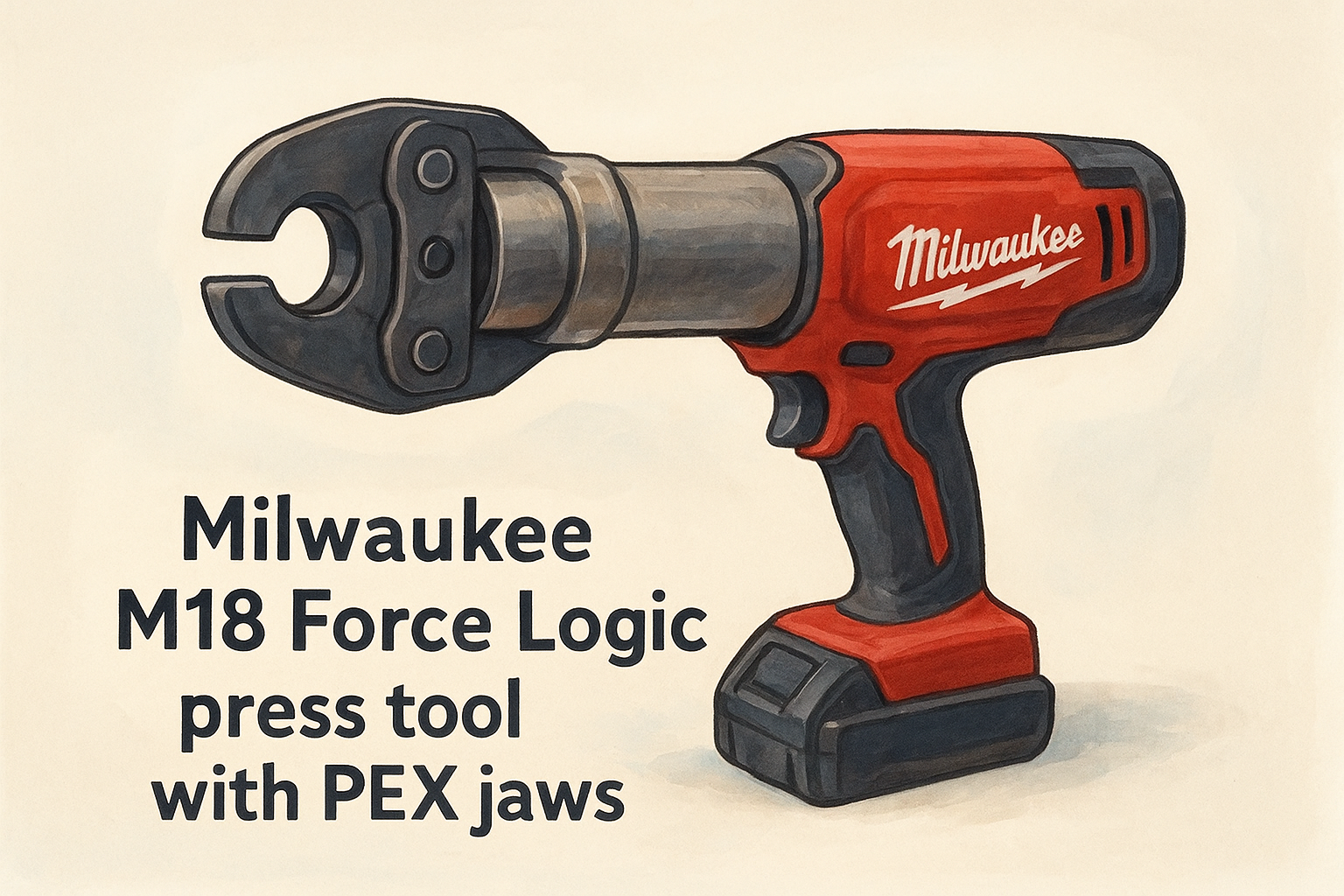
8. Milwaukee M18 Force Logic press tool with PEX jaws

The Milwaukee M18 Force Logic is the battery-powered option in this list that professional plumbers and mechanical contractors consistently reach for on high-volume production work. This is not a tool for occasional residential service calls; it’s built for crews running hundreds of connections per week where manual crimping would slow the job down.
8. Milwaukee M18 Force Logic press tool with PEX jaws

Why it made the list

Milwaukee’s Force Logic system stands out because the pressing force is consistent on every single connection regardless of operator fatigue or grip strength. The tool’s onboard electronics confirm each completed press cycle, which removes human error from the equation on large installs. That feature alone makes it one of the most reliable entries in the best pex crimp tool category for professional production work.

On large commercial or multi-unit residential projects, eliminating variable hand pressure from your crimp process directly reduces the chance of a failed inspection due to inconsistent ring compression.

What it crimps and fits

The Force Logic uses interchangeable PEX jaws that work with ASTM F1807 copper crimp rings across the standard residential and commercial pipe sizes:

  • 1/2-inch
  • 3/4-inch
  • 1-inch

It’s compatible with PEX-A, PEX-B, and PEX-C tubing from any manufacturer.

Who should buy it

This tool is the right call for mechanical contractors and lead plumbers running production installs on multi-unit residential buildings or commercial tenant fit-outs. If your work volume justifies the price, the time savings are real.

Typical price range

Expect to pay $500 to $700 for the tool body, with PEX jaw sets adding another $100 to $200 on top depending on the sizes you need.

9. Ryobi ONE+ 18V PEX crimp ring press tool

The Ryobi ONE+ 18V PEX crimp ring press tool brings battery-powered crimping to a much more accessible price range than the Milwaukee Force Logic. If you want the consistency of a powered press tool without committing to a premium-tier investment, this tool runs on the widely available Ryobi ONE+ 18V battery system and slots into a toolkit you may already own.

Why it made the list

The Ryobi press tool earns its place in the best pex crimp tool conversation because it removes hand fatigue from longer connection runs while keeping the overall cost of entry well below professional-grade alternatives. Its automatic press cycle completes each crimp without relying on consistent hand pressure, which reduces connection variance across a full day of installs.

A powered press tool that removes grip pressure from the equation gives you more consistent ring compression across dozens of connections than any manual ratchet tool can realistically match.

What it crimps and fits

This tool works with ASTM F1807 copper crimp rings and covers the standard residential pipe sizes most commonly specified on new construction and remodel work:

  • 1/2-inch
  • 3/4-inch
  • 1-inch

It’s compatible with PEX-A, PEX-B, and PEX-C tubing, keeping your sourcing options open across suppliers on any given project.

Who should buy it

This tool fits small contractors and volume-conscious plumbers who want powered crimping without the Force Logic price tag. If you already own Ryobi ONE+ batteries from other tools in your truck, the entry cost drops significantly since you only need to purchase the tool body.

Typical price range

Expect to pay $150 to $250 for the tool body, with jaw heads sold separately at roughly $30 to $50 per size depending on the retailer.
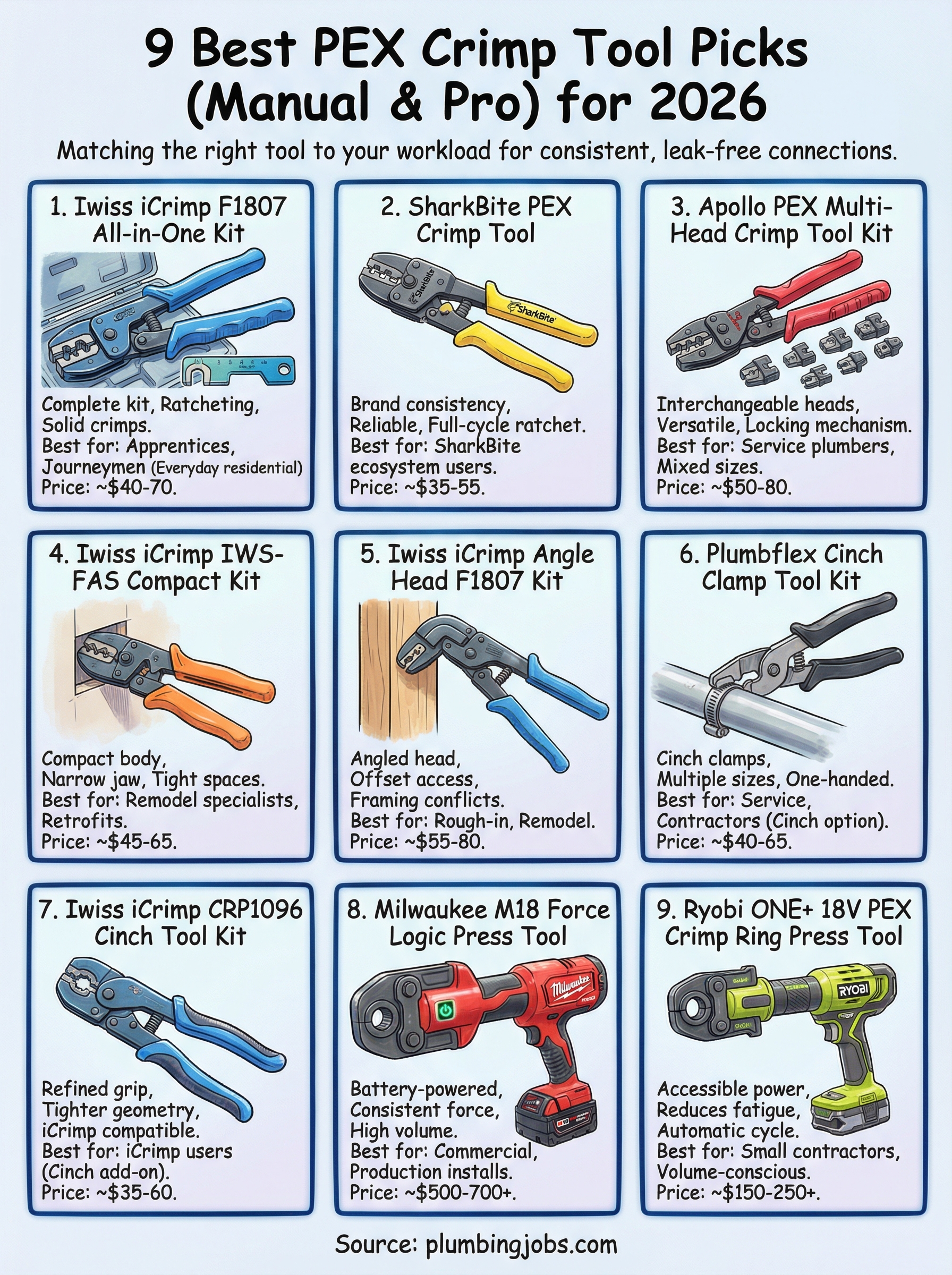
best pex crimp tool infographic

Final thoughts

Choosing the best pex crimp tool comes down to matching the tool to your actual workload. If you’re doing occasional residential service work, a reliable manual kit like the Iwiss iCrimp F1807 or SharkBite tool covers you without overspending. If you’re running production installs on multi-unit buildings, the Milwaukee Force Logic or Ryobi ONE+ press tool pays for itself quickly by removing fatigue and connection variance from your process.

The tools on this list cover every realistic scenario you’ll face in 2026, from tight remodel spaces to high-volume commercial jobs. Your connection quality directly affects your reputation on the job site, so picking the right tool matters beyond just the purchase price. Whatever stage you’re at in your plumbing career, knowing your equipment keeps you competitive. If you’re ready to put those skills to work, browse current plumbing job listings on PlumbingJobs.com to find your next opportunity.
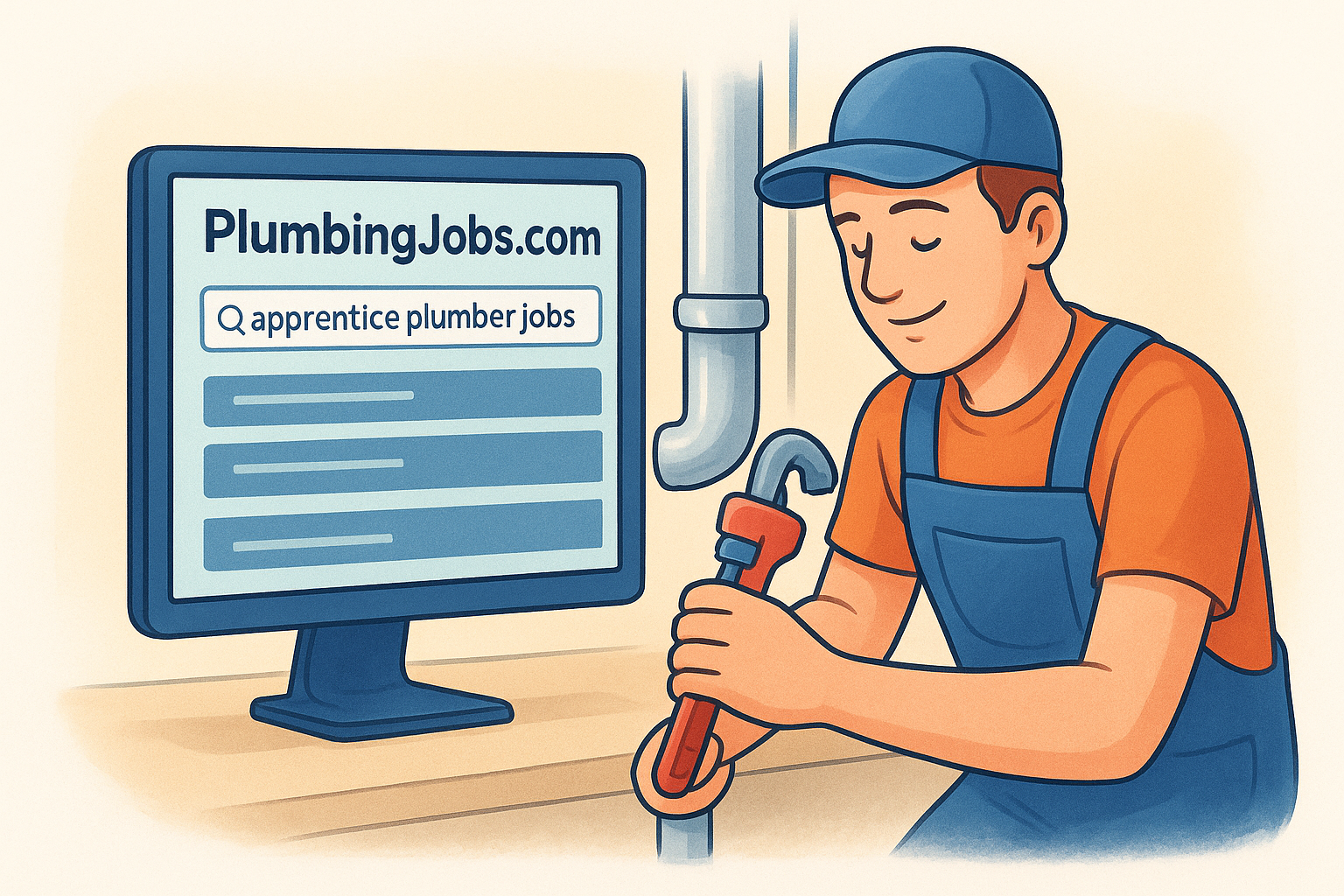
11 Apprentice Plumber Jobs Near Me: Where To Apply Today

11 Apprentice Plumber Jobs Near Me: Where To Apply Today

Searching for apprentice plumber jobs near me can feel like scrolling through an endless feed of irrelevant results on general job boards. Most platforms bury plumbing apprenticeships under hundreds of unrelated trade listings, making it harder than it should be to find a position that actually matches your goals.

The demand for plumbers across the United States isn’t slowing down. The Bureau of Labor Statistics projects steady growth in the trade, and employers are actively competing for entry-level candidates willing to learn. That means right now is one of the best times to lock down an apprenticeship with paid, on-the-job training, if you know where to look.

That’s exactly why we built PlumbingJobs.com: to connect people like you with plumbing-specific opportunities across all 50 states, without the noise. Below, we’ve pulled together 11 real apprentice plumber positions you can apply to today, along with practical details on pay, requirements, and how to get your foot in the door.

1. PlumbingJobs.com

PlumbingJobs.com is the most targeted place to search for apprentice plumber jobs near me because every listing on the platform connects directly to the plumbing trade. You won’t waste time filtering out electrician or HVAC postings just to find what you need. The site organizes opportunities by state and city, so you can see what’s open in your area right away. Employers who post here are specifically looking for plumbing candidates, which means your application goes to the right people from the start.

1. PlumbingJobs.com

What you can apply to

The platform lists a broad range of entry-level plumbing positions, including residential service apprentices, commercial pipefitting trainees, and drain technician helper roles. Many listings come from small local plumbing companies that skip the major general job boards entirely, giving you access to openings that are harder to find elsewhere. You’ll also find postings from larger mechanical contractors and municipal employers who want candidates with trade-specific intent, not just anyone browsing a general board.

Applying through a trade-specific platform means your resume lands in front of hiring managers who are focused entirely on plumbing, which gives your application a stronger shot at getting noticed.

How to find apprentice roles near you

Start by visiting PlumbingJobs.com and selecting your state from the main directory. From there, you can narrow results down by city or metro area. Use the available filters to pull up apprentice or entry-level titles specifically. If you’d rather not check back daily, sign up for the monthly email newsletter, which sends the top new plumbing job listings straight to your inbox so you stay ahead of openings in your area.

Pay and requirements to expect

Apprentice pay on PlumbingJobs.com listings typically ranges from $15 to $22 per hour, depending on the employer, your location, and whether the role is tied to a union shop or an independent contractor. Most listings require a valid driver’s license, the ability to pass a background check, and a willingness to complete structured on-the-job training. Some employers also ask for a high school diploma or GED. Prior plumbing experience is rarely required for true apprentice roles, making this a solid first stop if you’re brand new to the trade.

2. Indeed

Indeed is one of the largest general job boards in the country, and it carries a substantial volume of apprentice plumber listings across nearly every metro area in the United States. Because so many employers default to Indeed when posting openings, the sheer number of listings gives you a real shot at finding something local and relevant without much effort.

What you can apply to

The platform pulls together apprentice plumber listings from small residential contractors, large commercial plumbing outfits, and everything in between. You’ll find a mix of role types, including:

  • Entry-level service helper positions with on-the-job training
  • Paid apprenticeship programs tied to union shops
  • Direct-hire roles where employers handle all structured training in-house

How to find apprentice roles near you

To search for apprentice plumber jobs near me on Indeed, type "apprentice plumber" into the job title field and enter your city or zip code in the location field. From there, filter by date posted to prioritize fresh listings. Setting up a job alert under your Indeed account means new matching listings get sent to your email automatically.

Indeed’s job alert feature is worth using because it notifies you within hours of a new listing going live, giving you a faster shot at applying before competition builds.

Pay and requirements to expect

Apprentice plumber pay on Indeed listings typically falls between $15 and $23 per hour, depending on location and employer type. Most postings ask for a valid driver’s license and the willingness to lift and work in confined spaces, but prior plumbing experience is rarely a hard requirement for true entry-level roles.

3. ZipRecruiter

ZipRecruiter works differently from most general job boards because it uses matching technology to connect your profile with relevant listings automatically. When you search for apprentice plumber jobs near me, the platform actively surfaces roles based on your location and the skills you list, rather than relying solely on keyword searches.

What you can apply to

ZipRecruiter carries a solid mix of apprentice plumbing roles, including entry-level helper positions, paid training roles at residential service companies, and openings with commercial contractors who prefer to train candidates from the ground up. Many listings come from employers running targeted hiring campaigns, which means they’re actively watching for candidates who match their criteria and are likely to respond quickly.

How to find apprentice roles near you

Create a free account, then enter "apprentice plumber" as your job title and set your location by zip code or city. ZipRecruiter’s algorithm will send you a daily digest of new matching listings by email. You can also enable one-click apply on listings where employers have turned that feature on, which speeds up the process significantly.
Filling out your ZipRecruiter profile completely increases your visibility to employers who are actively searching the candidate database, not just waiting for applications to arrive.

Pay and requirements to expect

Apprentice plumber listings on ZipRecruiter typically show wages between $15 and $22 per hour, depending on your location and the type of employer. Most roles require a valid driver’s license and a clean background check, while prior hands-on experience in the trade is rarely listed as mandatory for true entry-level positions.

4. Glassdoor

Glassdoor is best known for company reviews and salary data, but it also carries a solid range of apprentice plumber listings from employers across the country. What sets Glassdoor apart is that you can research the employer directly on the same page where you find the job posting, giving you a clearer picture of company culture and pay practices before you apply.

What you can apply to

Glassdoor lists entry-level apprentice plumber roles from both independent contractors and larger plumbing companies, with a mix of residential and commercial opportunities. Many listings include salary ranges directly in the posting, which helps you compare openings side by side before committing to an application. Common role types you’ll find include:

  • Apprentice plumber helper roles at residential service companies
  • Entry-level positions with commercial contractors that include structured on-the-job training
  • Paid apprenticeship openings with union-affiliated employers

How to find apprentice roles near you

To search for apprentice plumber jobs near me on Glassdoor, type "apprentice plumber" in the search bar and enter your city or zip code in the location field. Sort results by most recent to avoid applying to listings that have been sitting for weeks, and set up email alerts so new matching roles reach you automatically.

Glassdoor’s company review section lets you read feedback from current and former employees before you apply, which helps you evaluate whether an employer’s training program is actually structured.

Pay and requirements to expect

Apprentice plumber pay on Glassdoor listings typically runs between $15 and $22 per hour, with some union-affiliated roles posting higher starting wages. Most employers ask for a valid driver’s license and willingness to complete hands-on training, but prior plumbing experience is rarely required.

5. Google Jobs

Google Jobs aggregates listings from across the web and displays them directly in Google Search results. When you search apprentice plumber jobs near me in Google, a dedicated job panel appears near the top of the page, pulling listings from Indeed, ZipRecruiter, company career pages, and dozens of other sources all in one place. This makes it one of the fastest ways to scan what’s currently available in your area without jumping between multiple platforms.

5. Google Jobs

What you can apply to

Google Jobs pulls in a wide range of entry-level plumbing roles, including apprentice helpers, trainee plumber positions, and paid on-the-job training openings from both independent shops and larger contractors. Because it aggregates from multiple sources simultaneously, you get broader coverage in a single search than most standalone job boards can offer on their own.

How to find apprentice roles near you

Type "apprentice plumber jobs near me" directly into Google Search and look for the job listings panel that appears near the top of the results. From there, filter by date posted, job type, and distance from your location. Clicking any listing shows you where it was originally sourced so you can apply directly on that platform.

Filtering by "past 24 hours" or "past week" in Google Jobs helps you reach the freshest openings before the applicant pool fills up.

Pay and requirements to expect

Apprentice pay shown in Google Jobs listings typically ranges from $15 to $23 per hour, reflecting what you’d see across the individual platforms it pulls from. Most roles require a valid driver’s license and a willingness to complete structured training, with prior plumbing experience rarely listed as a hard requirement for true entry-level openings.

6. Roto-Rooter plumbing apprenticeships

Roto-Rooter is one of the largest plumbing and drain service companies in the United States, operating in hundreds of markets across the country. Because the company runs locally franchised and corporate-owned locations, it hires at a consistent pace and frequently brings in entry-level candidates who want structured training with a recognizable employer.

What you can apply to

Roto-Rooter hires for service technician trainee and plumbing apprentice roles at branches located throughout the country. These are direct-hire positions where the company trains you on drain cleaning, water line repair, and residential plumbing service. Most openings are full-time with benefits, which makes them a stronger option than short-term gig-style placements.

How to find apprentice roles near you

To search for apprentice plumber jobs near me through Roto-Rooter, go directly to the Roto-Rooter careers page at roto-rooter.com and enter your city or zip code in the location search field. The site lists open positions by branch location, so you can quickly see which nearby offices are hiring. Applying directly through the company’s own site also puts your application in front of the local branch manager faster than a third-party board would.

Applying directly on the Roto-Rooter careers page skips the middleman and gets your resume to the hiring manager at the specific branch location you’re targeting.

Pay and requirements to expect

Starting pay for Roto-Rooter trainee roles typically runs between $16 and $22 per hour, with some locations offering commission bonuses tied to service completion. Most positions require a valid driver’s license and the ability to pass a background check, but prior plumbing experience is not typically required.

7. UA union apprenticeship programs

The United Association of Journeymen and Apprentices of the Plumbing and Pipe Fitting Industry, known as the UA, runs one of the most established apprenticeship programs in the trades. If you want structured training backed by collective bargaining wages and benefits, a UA local union apprenticeship puts you on a defined five-year path from apprentice to journeyman.

7. UA union apprenticeship programs

What you can apply to

UA locals across the country accept applications for plumbing apprentice positions that combine paid work hours with classroom instruction. You’ll train under licensed journeymen on real job sites, covering everything from pipe systems and fixtures to code compliance and safety practices. Most programs are tied to active construction and service contracts, so you’re contributing to real projects from the start.

How to find apprentice roles near you

To find apprentice plumber jobs near me through the UA, visit ua.org and use the local union finder to locate the UA affiliate in your area. Each local handles its own application window, so timing matters. Contact your local directly to ask about current openings and when the next application period starts.

Reaching out to your UA local before the official window opens helps you understand exactly what documents you’ll need and when to submit them.

Pay and requirements to expect

UA apprentices typically start at 40 to 50 percent of journeyman wages, which increases with each year of the program. By year five, you’re earning close to full journeyman pay before you even sit for your certification exam.

Most locals require a high school diploma or GED, a valid driver’s license, and a basic math assessment before you can enter the program.

8. Local JATC pipe trades programs

JATC stands for Joint Apprenticeship and Training Committee, and these local committees run structured pipe trades apprenticeship programs across the country in partnership with UA locals and signatory contractors. Each JATC operates independently at the local level, which means program availability, application windows, and requirements vary depending on where you live.

What you can apply to

Local JATC programs offer five-year plumbing apprenticeships that combine paid on-the-job hours with classroom instruction covering code, math, and pipe systems. Some JATCs also run pipefitter and steamfitter apprenticeships alongside plumbing programs, giving you options if your local market has stronger demand in those adjacent trades.

How to find apprentice roles near you

Finding apprentice plumber jobs near me through a JATC starts with identifying which local committee covers your area. Search "JATC pipe trades" along with your city or state to locate the relevant program. Most JATC websites list their application windows and required documents directly on their site, so check back regularly since many programs only accept applications once or twice per year.

Calling your local JATC directly gives you a line to the coordinator who can tell you exactly when the next application period opens and what to prepare ahead of time.

Pay and requirements to expect

JATC apprentices start at a percentage of journeyman wages, typically 40 to 50 percent, with annual pay increases built into the program structure. Most locals require a high school diploma or GED, a valid driver’s license, and a basic math aptitude test before accepting your application.

9. Apprenticeship.gov

Apprenticeship.gov is the official U.S. Department of Labor apprenticeship portal, and it lists registered apprenticeship programs from employers across the country. Because every program on the site has been vetted through a federal registration process, you can trust that the opportunities meet baseline standards for structured training and wage progression.

What you can apply to

The platform lists registered plumbing apprenticeship programs from employers ranging from independent contractors to municipal utilities and large commercial operations. Programs combine paid work hours with formal technical instruction, so you’re earning while you build real skills on the job. Common program types you’ll find include:

  • Residential and commercial plumbing apprenticeships with union-affiliated sponsors
  • Pipefitter trainee programs tied to federal contractors
  • Municipal utility apprenticeships at city and county water departments

How to find apprentice roles near you

To search for apprentice plumber jobs near me on Apprenticeship.gov, use the occupation and location filters on the site to narrow results to programs currently accepting candidates in your state or zip code. The results include direct contact information for each program sponsor so you can follow up quickly.

Filtering by your specific state instead of running a broad national search helps you find programs with local coordinators you can contact directly about open slots.

Pay and requirements to expect

Registered apprenticeships on Apprenticeship.gov follow progressive wage schedules, meaning your pay increases at defined intervals as you log training hours. Starting wages typically run $15 to $21 per hour, depending on the employer and region.

Most programs require a high school diploma or GED, a valid driver’s license, and a clean background check before you can enroll.

10. City and county government job boards

Local municipalities hire plumbers directly to maintain public infrastructure like water treatment facilities, government buildings, and sewer systems. Many of these positions offer paid apprentice tracks with benefits packages that private employers rarely match, making government job boards worth checking regularly.

What you can apply to

City and county governments post entry-level plumber apprentice and helper roles tied to public works departments, facilities management teams, and utilities divisions. These are typically full-time civil service positions with structured training built into the job description, along with health insurance and pension contributions that most private shops don’t offer.

How to find apprentice roles near you

To find apprentice plumber jobs near me through local government, search your city or county name plus "jobs" or "careers" to find the official employment portal. Most municipalities post openings directly on their own government websites rather than third-party boards.

Checking your county’s official HR page weekly gives you a head start because government listings often close quickly once the application window fills.

Set up email alerts on those portals where available, and also check your state’s central job board, since many state agencies post municipal plumbing apprentice openings in one centralized location.

Pay and requirements to expect

Government apprentice plumber pay typically ranges from $17 to $24 per hour, depending on your location and the size of the municipality. Most positions require a high school diploma or GED, a valid driver’s license, and passing a background check before you can start.
11. Skilled trades staffing agencies

Skilled trades staffing agencies place entry-level plumbers and helpers with employers who need workers quickly, often without requiring you to go through a lengthy hiring process. Agencies that specialize in construction and trades work directly with plumbing contractors to fill short-term, temp-to-hire, and permanent positions across the country.
What you can apply to

Trades staffing agencies place candidates in apprentice helper and plumber trainee roles at residential service companies, commercial contractors, and industrial facilities. Many placements start as temp-to-hire positions, which means you get a chance to prove yourself on the job before the employer commits to bringing you on full-time. This structure works in your favor if you want to evaluate the employer before committing as well.

How to find apprentice roles near you

To search for apprentice plumber jobs near me through a staffing agency, look for trades-focused firms operating in your city or region. Submit your resume directly to the agency, and a recruiter will match you with open client positions based on your location and availability. Most agencies let you register online in under 15 minutes.

Registering with more than one trades-focused staffing agency at the same time doubles your exposure to employers who are actively hiring right now.

Pay and requirements to expect

Staffing agency placements for apprentice plumbers typically pay between $15 and $22 per hour, with rates varying by employer and local market conditions. Most agencies require a valid driver’s license and a clean background check before sending you out on a placement. Prior experience is helpful but not always required for true entry-level roles.

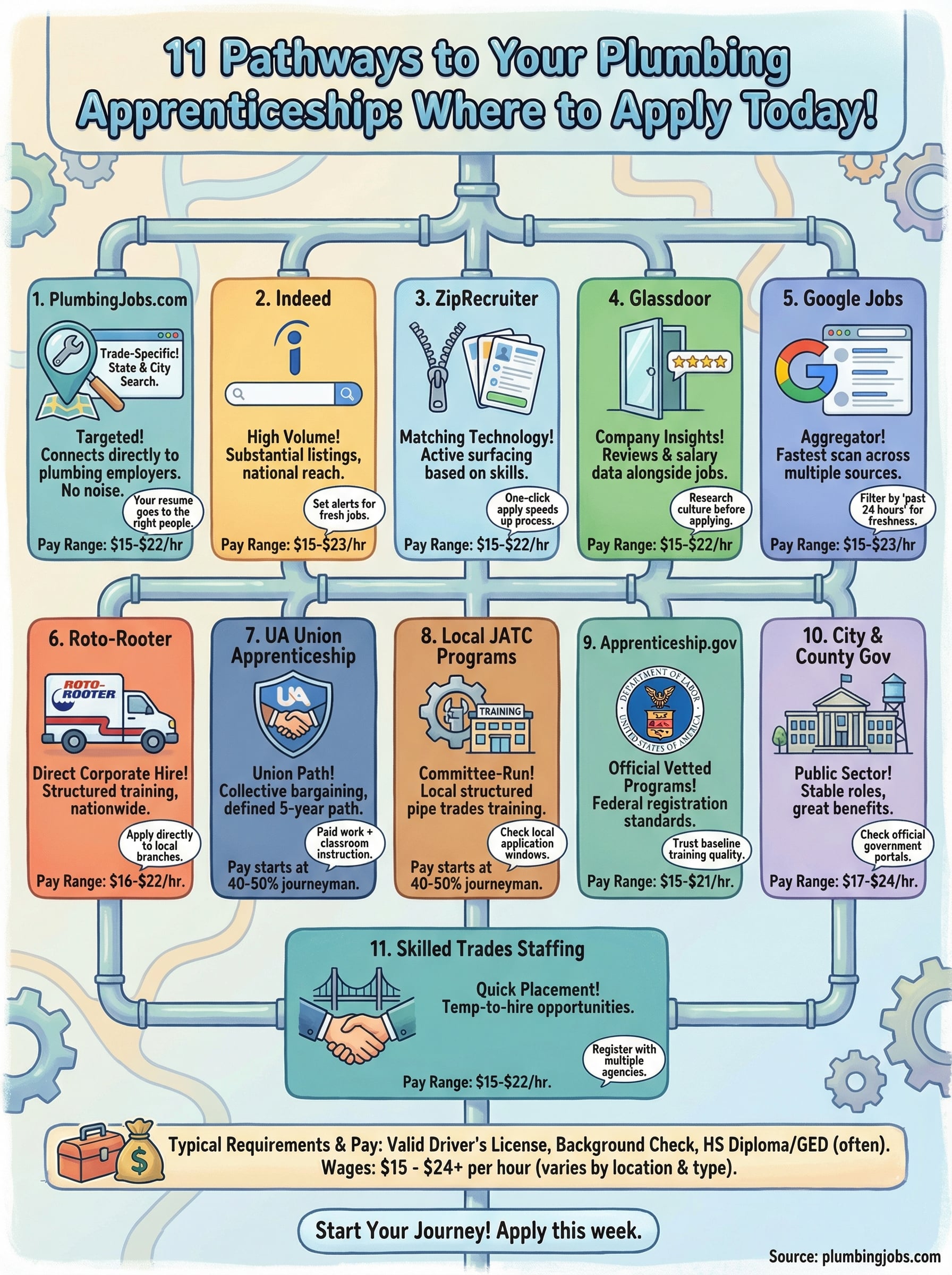
apprentice plumber jobs near me infographic

Next steps

You now have 11 concrete places to search for apprentice plumber jobs near me, ranging from trade-specific boards and union programs to government portals and staffing agencies. Each option gives you a different path into the trade, so your best move is to pick two or three that match your situation and start applying this week. Waiting rarely works in your favor when employers are actively filling roles.

Before you apply anywhere, make sure your resume highlights your availability, your driver’s license status, and any relevant hands-on experience, even informal work counts. A focused, trade-specific resume gets better responses than a generic one. If you want to browse current plumbing openings filtered by your state and city right now, start with plumbing apprentice job listings on PlumbingJobs.com. The listings are updated regularly and pull you directly to employers who are looking for candidates exactly like you.

What Does a Pipefitter Do? Duties, Tools, Pay & Path In 2026

What Does a Pipefitter Do? Duties, Tools, Pay & Path In 2026

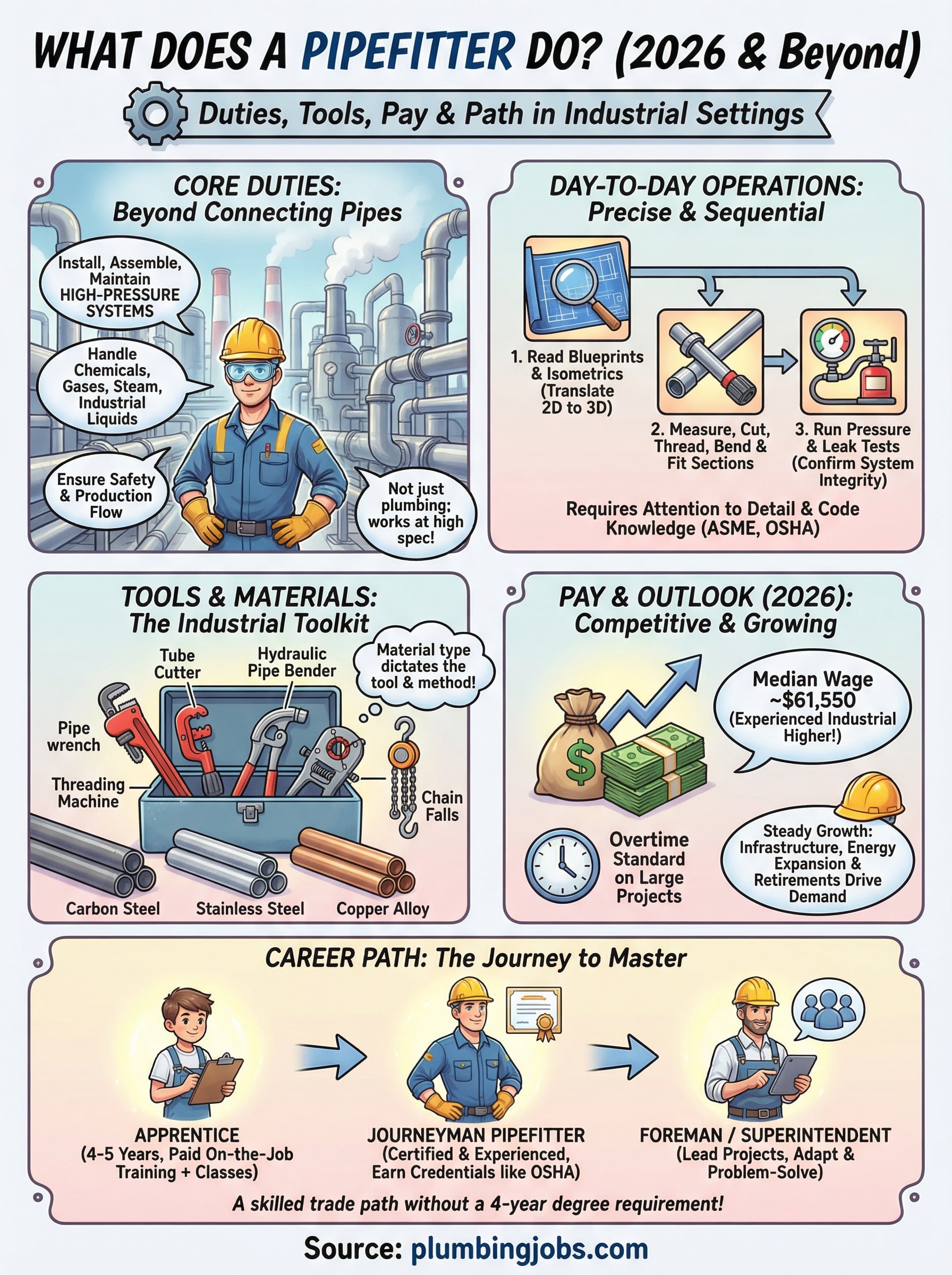
So, what does a pipefitter do, exactly? It’s one of the most common questions we see from people exploring careers in the trades, and the answer goes well beyond "connecting pipes." Pipefitters install, assemble, and maintain high-pressure piping systems that carry chemicals, gases, steam, and other substances in industrial settings like power plants, refineries, and manufacturing facilities. It’s precise, physically demanding work that requires real technical skill.

At plumbingjobs.com, we list pipefitter positions alongside plumbing roles because the two trades overlap more than most people realize, and employers actively recruit for both on our platform. Whether you’re a plumbing professional considering a lateral move or someone researching the trade from scratch, understanding what pipefitters actually do day-to-day matters before you commit time and money to training.

This article breaks down the core duties, tools, pay ranges, and career path for pipefitters in 2026. We’ll also cover how the role compares to plumbing and welding, two trades it’s frequently confused with, so you can figure out where you fit in the industry.

Why pipefitters matter in modern construction

Modern infrastructure runs on pipe. Power plants, chemical facilities, oil refineries, and pharmaceutical manufacturing sites all depend on complex piping systems to move steam, fuel, gases, and industrial liquids safely from one point to another. When those systems fail or leak, production stops and serious safety hazards can follow fast. Pipefitters are the professionals who design, assemble, install, and maintain those systems so facilities stay operational. Without them, some of the most critical industrial sites in the country would not function at a basic level.

The work pipefitters do directly affects the safety and productivity of entire industrial facilities, not just a single machine or component.

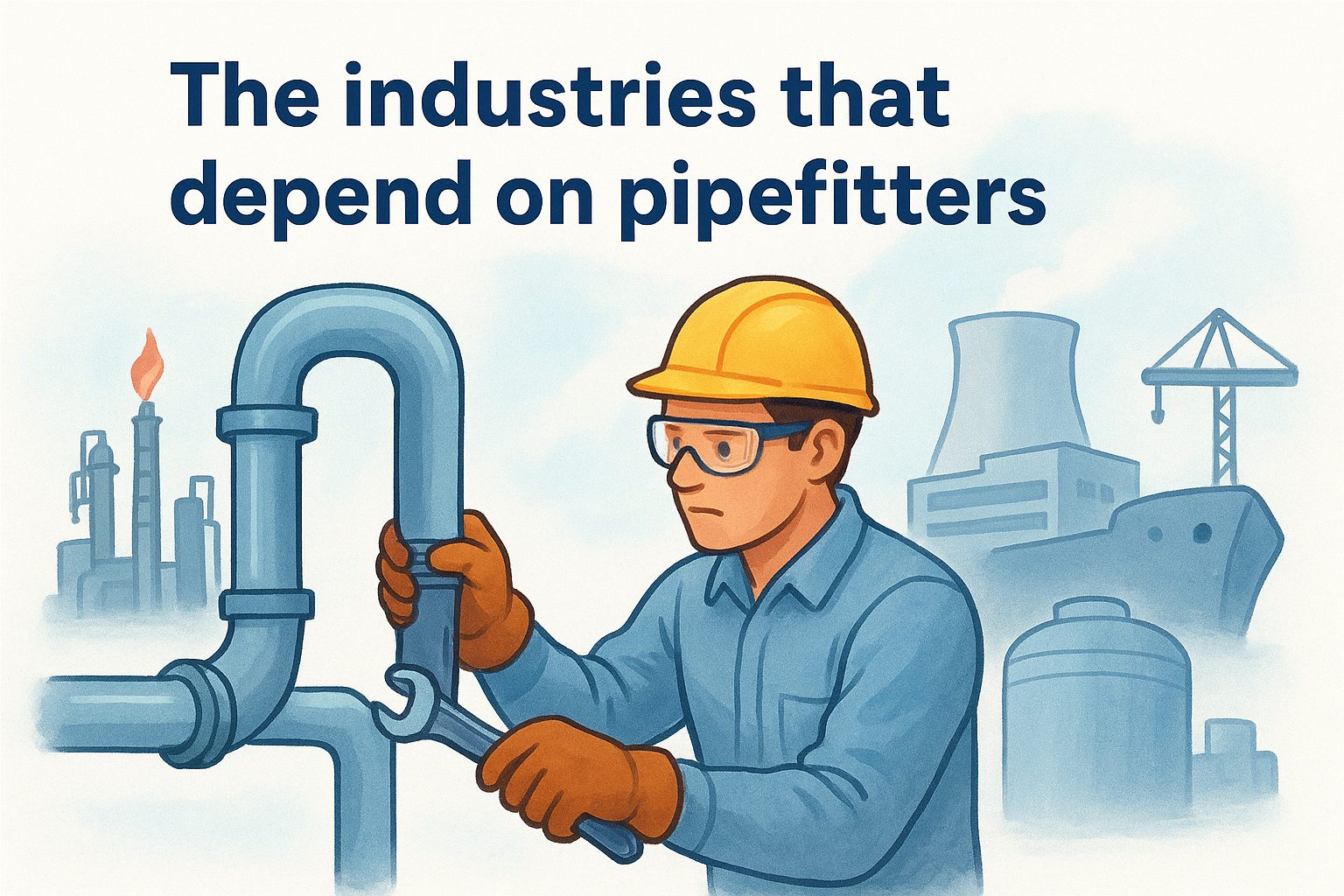
The industries that depend on pipefitters

If you want to understand what does a pipefitter do in practice, look at where they work. Oil and gas processing, commercial HVAC, nuclear power, shipbuilding, and large-scale food production all hire pipefitters on a regular basis. These industries cannot function without high-pressure piping built to strict engineering tolerances, and pipefitters are the trade professionals trained to deliver exactly that.

The industries that depend on pipefitters

The breadth of industries hiring pipefitters matters for your job search. Unlike some specialized trades tied to a single sector, pipefitter skills transfer across multiple industries, which gives you far more flexibility if one sector cools off. A pipefitter who spent five years in a refinery can often move into commercial HVAC or industrial manufacturing without starting over from the bottom.

Why this role is harder to replace than you think

Automation has changed many trades, but pipefitting has resisted full automation for a straightforward reason: no two industrial job sites are the same. Pipe runs have to be measured, cut, threaded, and bent to fit the exact conditions of a specific building or plant. Robots handle repetitive factory-line tasks well, but reading blueprints on a live construction site, adapting to unexpected physical obstacles, and making real-time judgment calls still requires a trained person on the ground.

There is also a regulatory dimension to this work. Industrial piping systems must meet safety codes enforced by bodies like OSHA and ASME, and inspectors verify those standards during and after installation. A pipefitter who understands those requirements is not just building a pipe run; they are building something that has to pass legal scrutiny. That combination of hands-on skill and code knowledge is genuinely difficult to replace, which explains why demand for qualified pipefitters holds steady even during broader construction slowdowns.

What a pipefitter does day to day

If you want to understand what does a pipefitter do on a typical shift, the answer starts before the first pipe gets touched. Pipefitters begin each day by reviewing blueprints and isometric drawings to understand the layout they are working with. From there, they measure and mark pipe routes, cut pipe to spec, and fit sections together using flanges, couplings, and welded joints. The work is sequential and precise from the first measurement to the final pressure test.

Reading plans and assembling systems

Blueprint reading is the foundation of the job. You need to translate two-dimensional drawings into three-dimensional pipe runs in a real space, which means accounting for obstructions, elevation changes, and clearance requirements that the drawing may not fully capture. A pipefitter who cannot read plans accurately wastes material and creates costly rework that slows the entire project down.

Once the layout is clear, cutting, threading, bending, and aligning pipe sections to match engineering specifications takes up the bulk of your working hours. You also install hangers and supports to keep pipe runs stable under the pressure and vibration of daily operation. On larger industrial sites, coordinating with welders, steamfitters, and project supervisors is a constant part of the day since pipe installation rarely happens in isolation from other trades.

Getting the fit right the first time matters because pressure-tested systems have zero tolerance for gaps, misalignment, or improper supports.

After installation, pipefitters often run pressure and leak tests to confirm that the system holds before it goes into service. These tests get documented and may be reviewed by inspectors, so attention to detail during final checks is just as important as the installation work itself.

Tools, materials, and core skills pipefitters use

Understanding what does a pipefitter do on a technical level means understanding what they carry to the job. Pipefitters work with a specific set of tools and materials that differ from residential plumbing in both scale and purpose. The equipment is built for industrial environments where pipe diameter, pressure rating, and material type all determine which tool you reach for.

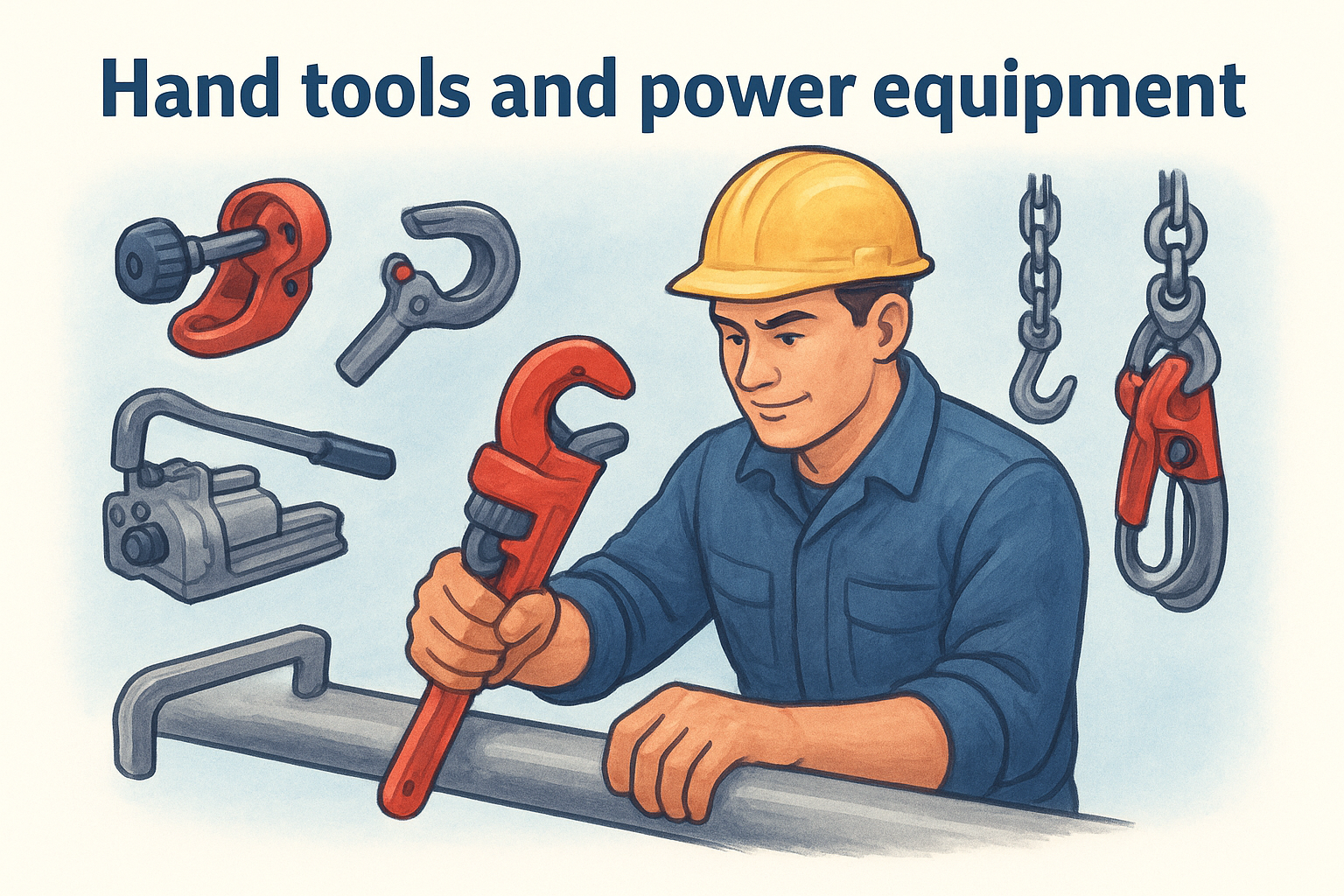
Hand tools and power equipment

Your standard toolkit as a pipefitter includes pipe wrenches, tube cutters, threading machines, and hydraulic benders for shaping pipe to fit a designed layout. On larger jobs, you also operate equipment like chain falls, come-alongs, and lifting gear to position heavy pipe sections safely. Carbon steel, stainless steel, and copper alloy pipe are the most common materials you work with, though specialty sites may use chrome-moly or fiberglass-reinforced pipe depending on what the system carries.

Hand tools and power equipment

The material you work with directly affects which cutting method, joint type, and pressure rating applies, so knowing your materials is not optional.

Technical and safety skills

Blueprint reading and isometric interpretation are the core intellectual skills the job demands. You need to translate engineering drawings into physical pipe runs accurately and consistently. Beyond layout skills, knowledge of ASME B31.3 process piping codes and OSHA 1910/1926 standards is something employers expect you to carry into every project. These codes govern how pipe is joined, supported, and tested.

Physical dexterity matters, but problem-solving under real site conditions separates a competent pipefitter from a great one. You will routinely encounter obstacles that blueprints did not anticipate, and knowing how to adapt without compromising system integrity is a skill you build through hands-on experience.

Pipefitter pay, overtime, and job outlook in 2026

When people ask what does a pipefitter do and immediately follow it with "how much does it pay," the answer is competitive by any trade standard. According to the U.S. Bureau of Labor Statistics, the median annual wage for pipefitters, plumbers, and steamfitters combined sits around $61,550, with experienced industrial pipefitters at the high end earning considerably more. Overtime is standard on large construction and industrial projects, and that extra time pushes many full-time pipefitters well above their base wage for the year.

Wage ranges and what drives them

Your location, union membership, and the industry you work in have the biggest impact on where your pay lands. Union pipefitters operating under agreements with the United Association of Plumbers and Pipefitters typically earn higher base wages plus benefits that include pension contributions and health coverage. Industrial sectors like oil refining and nuclear power pay more than general commercial construction because the work carries higher technical demands and stricter safety requirements.

Experience Level Approximate Annual Wage
Apprentice $38,000 – $48,000
Journeyman Pipefitter $60,000 – $80,000
Senior / Foreman $85,000 – $110,000+

Job outlook through 2026 and beyond

The BLS projects steady growth in the plumber, pipefitter, and steamfitter category, driven by infrastructure investment, energy sector expansion, and a retirement wave among experienced workers. Those retirements create openings at multiple levels, not just the entry point. Industrial facilities across the country need qualified pipefitters to maintain existing systems as much as to build new ones, which keeps demand consistent even when new construction slows.

Maintenance demand alone sustains pipefitter hiring during economic slowdowns, which makes this a more stable trade than many people assume.

Geographic concentration also shapes your options. States with heavy refinery, chemical, or power generation activity such as Texas, Louisiana, and California consistently show higher pipefitter employment and pay rates.

How to become a pipefitter in the United States

If you want to work as a pipefitter, the path is structured and predictable. Most people enter through a formal apprenticeship program, which combines paid on-the-job training with classroom instruction in blueprint reading, pipe systems, and safety codes. Knowing what does a pipefitter do on a professional level starts here, because apprenticeships expose you to real industrial environments from day one.

Start with a registered apprenticeship

The United Association of Plumbers and Pipefitters (UA) runs the most widely recognized apprenticeship programs in the country. These programs typically run four to five years and cover everything from basic pipe fitting and welding fundamentals to advanced pressure system installation. You earn wages while you train, which makes this route far more practical than a degree program that requires you to front tuition costs without income.

Completing a UA apprenticeship gives you both the hands-on hours and the classroom credentials that union contractors and large industrial employers look for first.

Earn certifications and move up

After your apprenticeship, pursuing certifications sharpens your value in the job market. Relevant credentials include OSHA 10 or OSHA 30 for safety compliance and AWS welding certifications if your work involves pipe welding. Some states require a journeyman or master pipefitter license, so check your state’s licensing board requirements before you start applying for senior roles.

From journeyman status, you can advance into foreman, superintendent, or estimating roles as you build experience. Staying current with code updates from ASME and OSHA keeps your knowledge competitive and signals to employers that you take the profession seriously.

what does a pipefitter do infographic

Next steps

You now have a clear picture of what does a pipefitter do, from reading isometric drawings on a live job site to pressure-testing industrial systems that have to meet strict safety codes. Pipefitting is a skilled trade that pays well, stays in demand across multiple industries, and offers a clear progression from apprentice to foreman without requiring a four-year degree. If the work sounds like a fit, the next move is straightforward: find an apprenticeship program through the UA or a local union hall and start applying.

For employers, finding qualified pipefitters who carry both the hands-on experience and the code knowledge your projects require is not always simple on a general job board. PlumbingJobs.com gives you direct access to trade professionals actively looking for industrial and commercial opportunities. Post your pipefitter job listing today and connect with candidates who already understand the work.

What Does a Steamfitter Do? Duties, Salary, Requirements

What Does a Steamfitter Do? Duties, Salary, Requirements

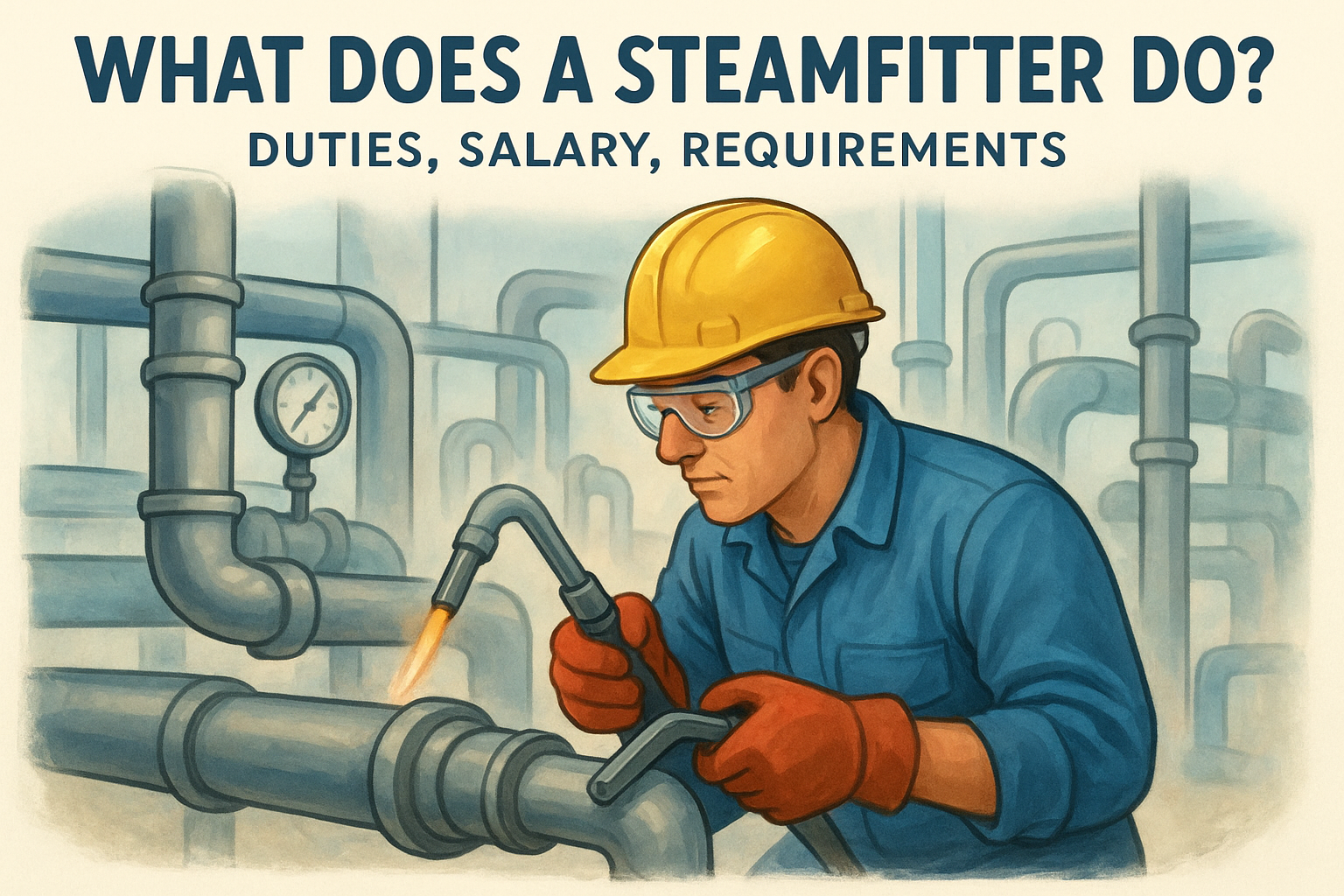
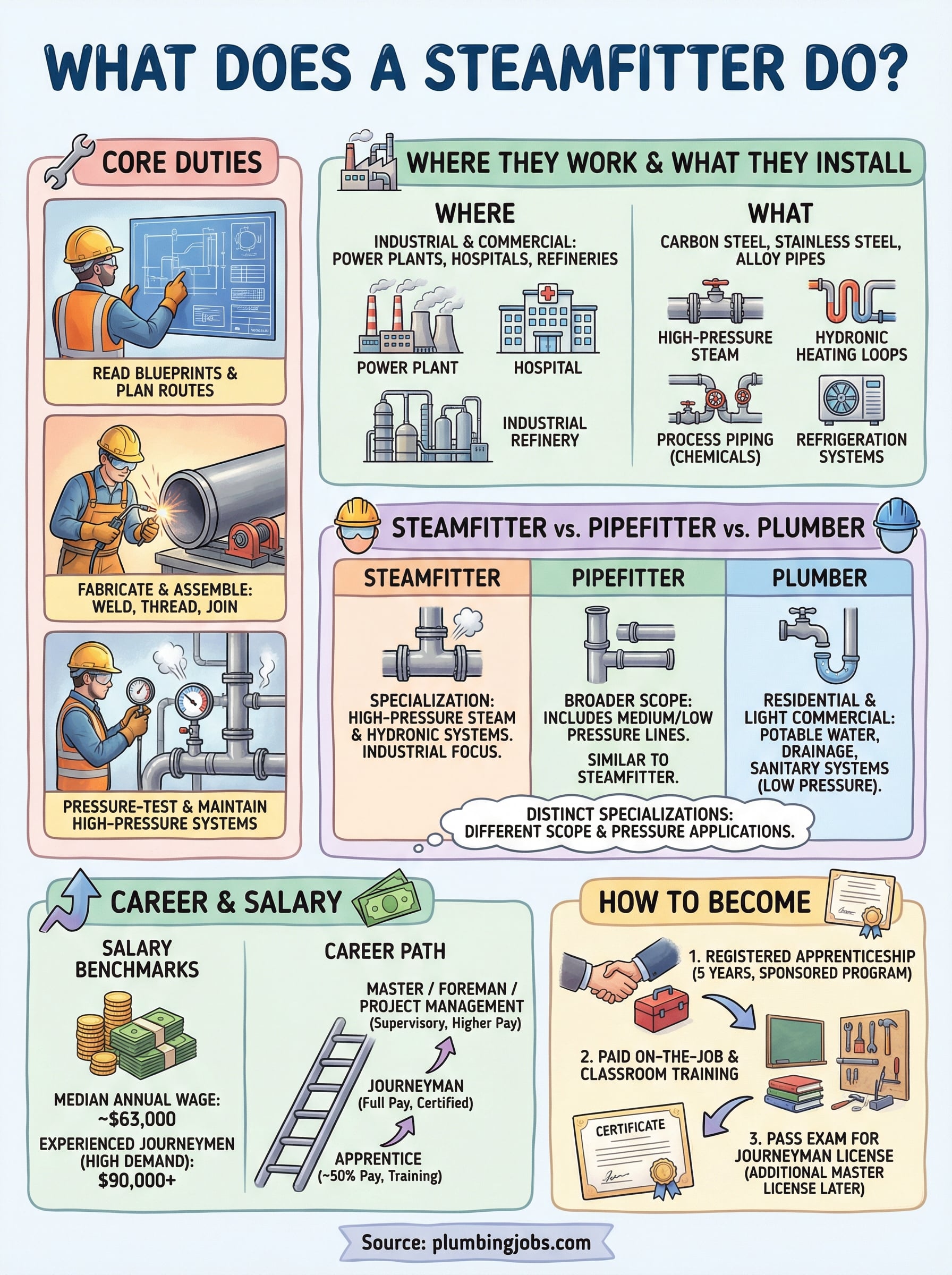
Steamfitters install, maintain, and repair high-pressure piping systems that carry steam, gases, chemicals, and other substances through industrial and commercial facilities. If you’ve been wondering what does a steamfitter do on a daily basis, the short answer is: they keep critical systems running in places like hospitals, power plants, and manufacturing facilities, environments where a single pipe failure can shut down operations or create serious safety hazards. It’s skilled, physically demanding work that pays well and stays in demand.

Whether you’re exploring the trade for the first time or you’re a plumber or pipefitter considering a career pivot, this guide breaks down steamfitter duties, salary expectations, licensing requirements, and how the role compares to similar trades. At PlumbingJobs.com, we connect skilled tradespeople with employers across the plumbing and piping industries, and steamfitter roles are among the most actively posted positions on our board.

What a steamfitter does day to day

Steamfitters spend a significant portion of each day reading blueprints and technical specifications to plan how a piping system needs to be routed before they cut a single piece of pipe. On a typical shift, you’ll find them measuring and cutting pipe, welding or threading joints, and pressure-testing completed systems to confirm there are no leaks or flow restrictions. The work is physically demanding and highly precise, because these systems carry steam, gases, or chemicals at elevated pressure, where even a small error can create a serious safety hazard.

A single pressure failure in a steam system can cause equipment shutdowns, structural damage, or serious injury, which is why steamfitter work demands both technical skill and consistent attention to detail.

Installation and assembly

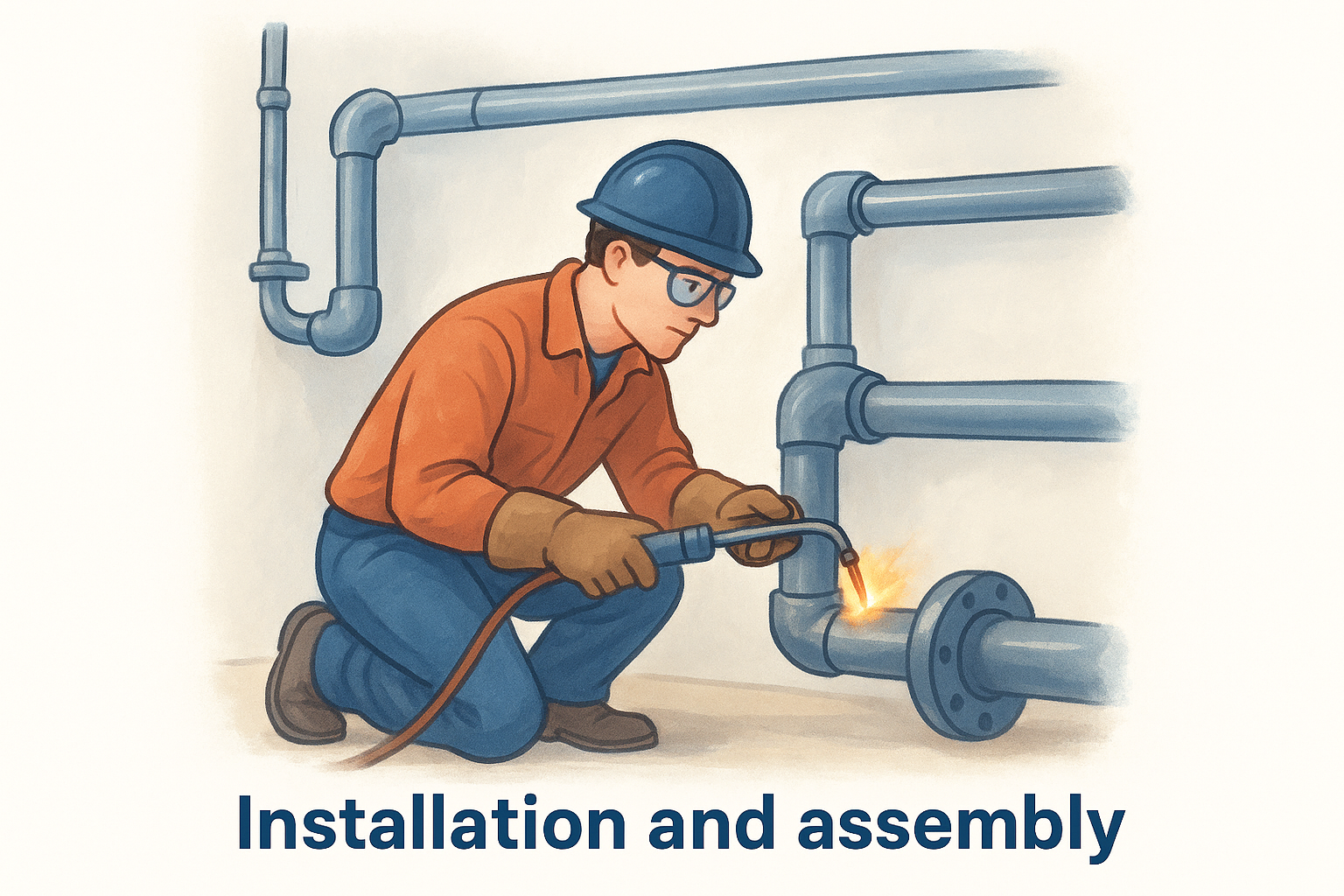
Steamfitters fabricate and install pipe sections directly on-site, cutting steel, copper, or stainless pipe to exact measurements and connecting sections using multiple joining methods. You’re also responsible for mounting hangers, supports, and anchoring hardware that hold the pipe in position along ceilings, walls, and structural beams. This part of the job requires a solid understanding of load tolerances and how materials expand or contract with temperature changes. Common joining methods include:

Installation and assembly

  • Welding (standard for high-pressure steel lines)
  • Brazing (used for copper systems)
  • Threaded connections (for lower-pressure applications)
  • Flanged fittings (for systems that need periodic disassembly)

Maintenance and repair

Beyond new installations, a large part of what a steamfitter does involves inspecting and maintaining existing piping systems to catch deterioration before it becomes a failure. You’ll look for worn gaskets, corroded joints, and malfunctioning control valves, then replace them before they cause unplanned downtime. Repair calls can be urgent, particularly in facilities like hospitals or power plants where any disruption to critical systems needs an immediate response, so you need to diagnose problems fast and work accurately under pressure.

Where steamfitters work and what they install

The answer to what does a steamfitter do is shaped in large part by where they work. Steamfitters operate primarily in industrial and commercial settings where high-pressure piping is critical to daily operations. You’ll find them at power generation plants, hospitals, chemical refineries, paper mills, and large commercial buildings where steam heats equipment or drives turbines. Residential work is rare because most home plumbing systems operate at low pressure.

The demand for steamfitters stays strongest in regions with heavy industrial activity, including the Gulf Coast, the Midwest, and the Northeast.

Systems and materials they install

Steamfitters install systems that go well beyond standard plumbing work. Your responsibilities center on high-pressure steam distribution lines, hydronic heating loops, compressed air networks, process piping for chemicals, and refrigeration systems. These applications require carbon steel, stainless steel, and chrome-moly alloy pipe that can tolerate extreme heat and pressure without degrading.

Common industries that employ steamfitters include:

  • Power generation (coal, nuclear, and natural gas plants)
  • Healthcare facilities with central steam boiler systems
  • Chemical and petrochemical processing plants
  • Food and beverage manufacturing
  • Paper and pulp mills

Steamfitter vs pipefitter vs plumber

People often use these three titles interchangeably, but they describe distinct specializations with different scopes of work. Knowing the differences helps you target the right jobs and understand what employers expect when they post a listing.

How steamfitters differ from pipefitters

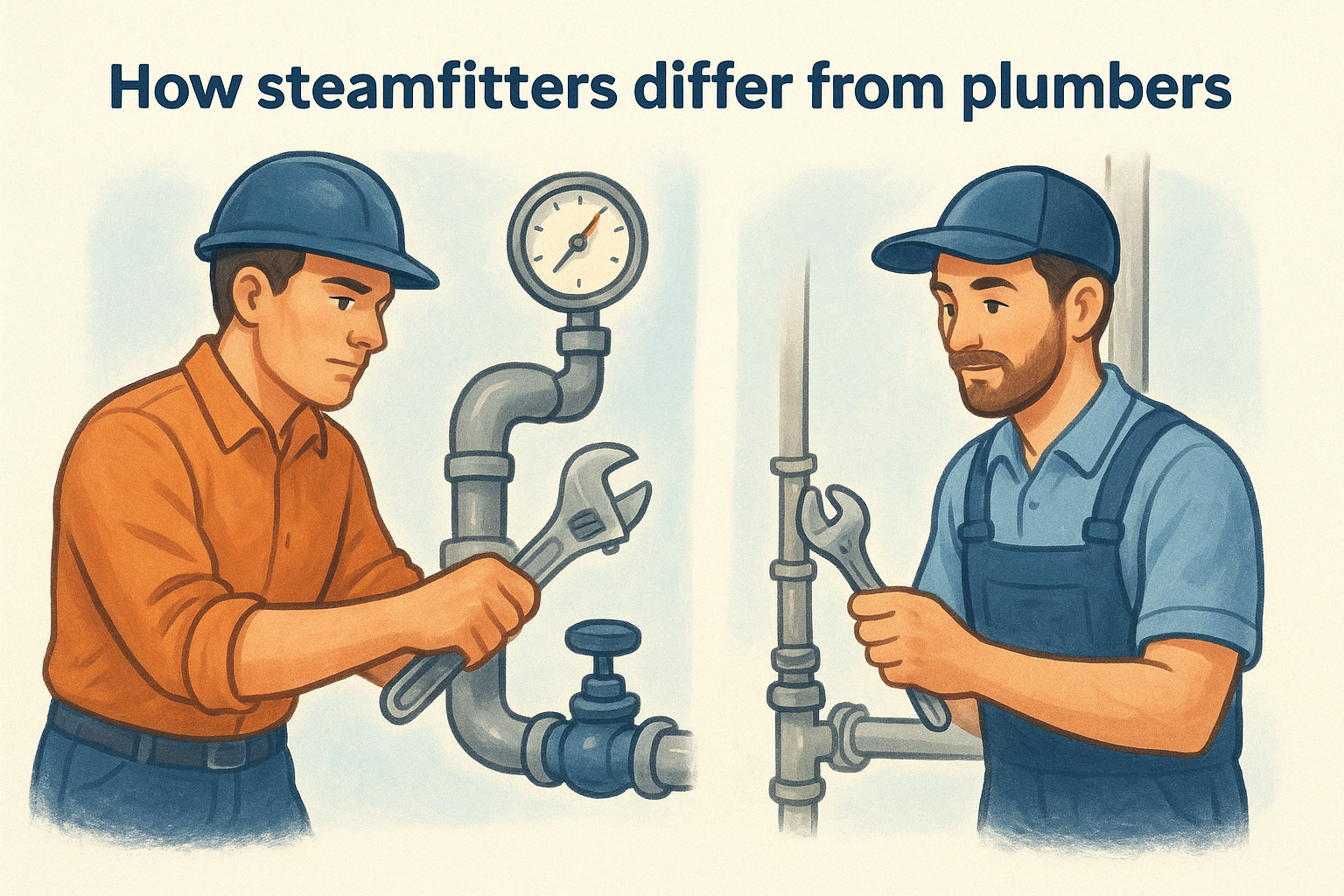
The line between steamfitters and pipefitters is narrow. Pipefitters work across a broader range of piping systems, including low-pressure lines, while steamfitters focus specifically on high-pressure steam and hydronic systems. In practice, many union agreements and job sites treat the titles as equivalent, and both trades share apprenticeship programs through the United Association.

  • Steamfitters: high-pressure steam, refrigeration, and process piping
  • Pipefitters: wider scope, including medium- and low-pressure systems

In many regions, steamfitter and pipefitter refer to the same role, but the high-pressure specialization is what defines steamfitter work.

How steamfitters differ from plumbers

When people ask what does a steamfitter do versus what a plumber does, the difference comes down to pressure and application. Plumbers primarily handle potable water supply, drainage, and sanitary systems in residential and light commercial buildings.

How steamfitters differ from plumbers

Steamfitters work on industrial-grade systems carrying steam, refrigerants, and process chemicals at pressures that standard plumbing codes don’t cover. The licensing, training, and tools for each trade reflect those very different demands.

Pay, job outlook, and career paths

Understanding what does a steamfitter do for your earning potential is essential before committing to the trade. Steamfitters earn strong wages relative to many skilled trades because the work demands specialized certifications and high-pressure system expertise that take years to develop.

Salary benchmarks

According to the U.S. Bureau of Labor Statistics, the median annual wage for steamfitters and pipefitters sits around $63,000, with experienced journeymen in high-demand industrial markets regularly clearing $90,000 or more. Your location, union status, and industry sector all move that number up or down considerably.

Union steamfitters typically earn higher wages and better benefits than their non-union counterparts, particularly in states with strong building trades councils.

Career advancement options

Your career follows a structured progression from apprentice to journeyman to master. Apprentice wages start at roughly 40 to 50 percent of journeyman rates and increase incrementally with each year of completed training. After five years, you reach journeyman status with full earning power and the flexibility to work across multiple industries.

From that point, you can pursue a master steamfitter license, move into foreman or superintendent positions, or transition into estimating and project management roles within mechanical contracting firms. These paths reduce physical demands while increasing pay.

How to become a steamfitter

If you’re researching what does a steamfitter do and want to enter the trade, the standard path runs through a five-year registered apprenticeship program sponsored by the United Association of Plumbers and Steamfitters. You combine paid on-the-job training with classroom instruction covering blueprint reading, welding techniques, and system safety, so you earn wages while you learn.

Apprenticeship and licensing steps

Getting into an apprenticeship starts with meeting a few basic eligibility requirements: you typically need to be at least 18 years old, hold a high school diploma or GED, and pass a mechanical aptitude test. Some programs also require a physical examination before you begin.

Completing your apprenticeship through the United Association gives you nationally recognized credentials that most industrial employers accept across state lines.

Once you finish your apprenticeship, many states require you to pass an exam to earn a journeyman steamfitter license. Requirements vary by state, so check your local licensing board for the specifics that apply to you. After several years as a journeyman, you can sit for a master steamfitter license, which opens doors to supervisory roles and independent contracting work.

what does a steamfitter do infographic

Next steps

Now you have a clear picture of what does a steamfitter do, from reading blueprints and welding high-pressure steam lines to troubleshooting live systems in hospitals and power plants. The trade offers strong wages, stable demand, and a defined career ladder that rewards the years you invest in developing your skills. If the work sounds like a fit, your next move is to research United Association apprenticeship programs in your state and verify the specific licensing requirements for your area before you apply.

Employers actively post steamfitter and pipefitter openings on PlumbingJobs.com, so you can browse positions by location and start applying without wading through general job boards. If you run a mechanical contracting firm or manage hiring for an industrial facility, post a steamfitter job listing and connect with qualified candidates who are already searching for their next role. You can also explore the PlumbingJobs.com blog for more trade guides and industry updates.

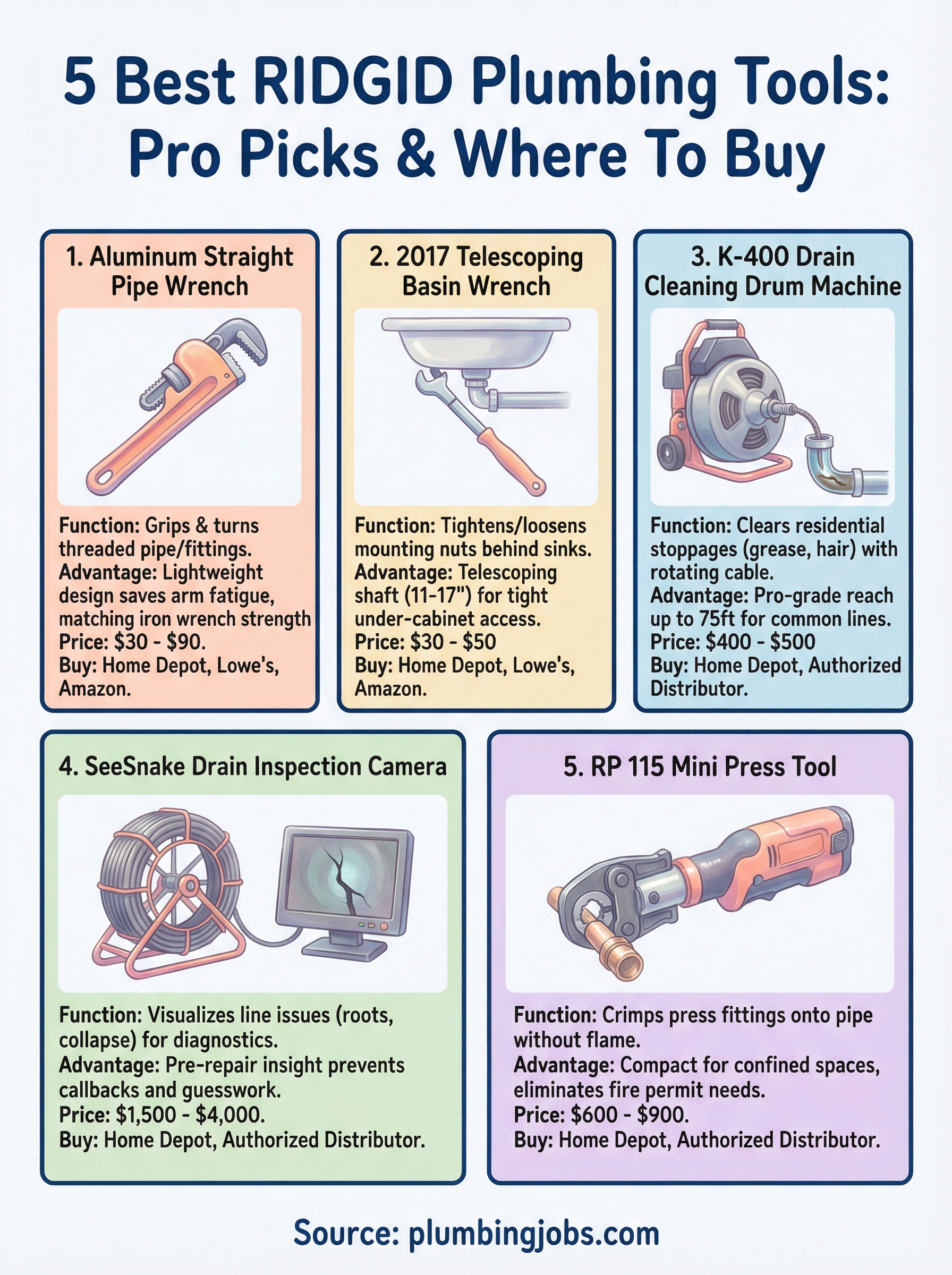
5 Best RIDGID Plumbing Tools: Pro Picks + Where To Buy

5 Best RIDGID Plumbing Tools: Pro Picks + Where To Buy

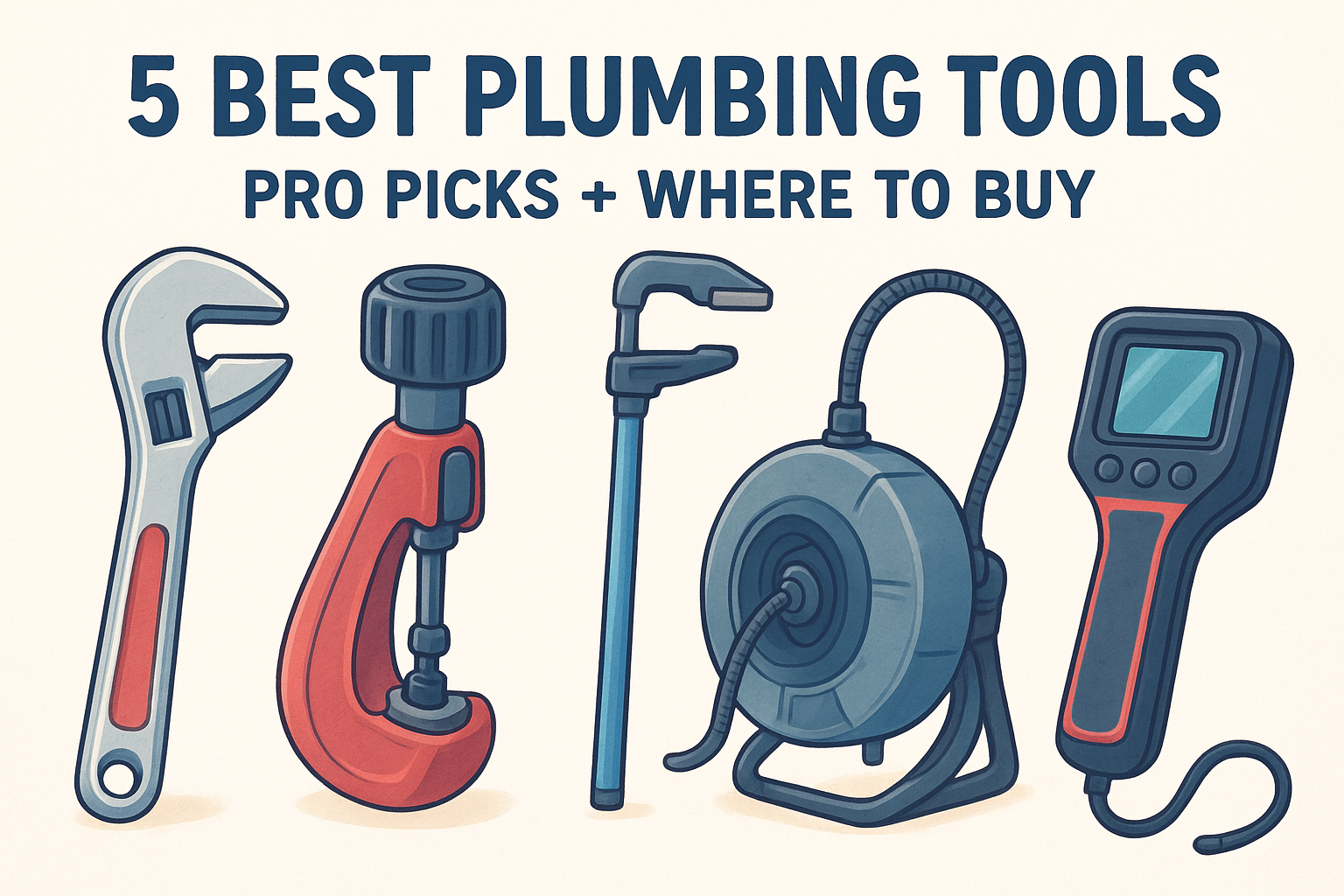
Whether you’re a seasoned journeyman or just starting your apprenticeship, the tools you carry define the quality of your work. RIDGID plumbing tools have been a jobsite staple for nearly a century, and for good reason, they’re built to handle the punishment that comes with professional plumbing work day in and day out.

But RIDGID’s catalog is massive, and not every tool earns its spot in your truck. At PlumbingJobs, we connect plumbers with careers across the country, and we consistently see employers list RIDGID proficiency as a preferred skill on job postings. That tells us something: knowing and owning the right RIDGID equipment matters for your career and your craft.

We put together this list of five top RIDGID picks that working plumbers actually rely on, along with where to buy them at the best price. From pipe wrenches to inspection cameras, these are the tools worth your money, whether you’re outfitting a new van or upgrading worn-out gear.

1. RIDGID Aluminum Straight Pipe Wrench

The RIDGID aluminum straight pipe wrench is one of the most trusted ridgid plumbing tools on any job site. It delivers the same jaw strength as a traditional iron wrench at roughly half the weight, which matters on long days running service calls or working on commercial builds.

What this tool does on the job

This wrench grips and turns threaded pipe and fittings using a self-tightening jaw that bites harder the more torque you apply. You use it for everything from assembling galvanized pipe on new construction to breaking loose corroded fittings during remodel work.

When it beats other wrench types

Aluminum construction saves your arm during extended overhead work or full-day service routes. Compared to cast iron versions, you get the same jaw pressure with noticeably less wrist and shoulder fatigue by the end of the day.

For residential service plumbers running multiple calls a day, the weight savings from aluminum versus cast iron add up fast.

Key options to compare before you buy

RIDGID aluminum straight pipe wrenches come in sizes from 8 inches to 24 inches. Match the wrench size to your most common pipe diameter before buying.

Wrench Size Max Pipe Capacity
10" 1" pipe
14" 1.5" pipe
18" 2" pipe
24" 3" pipe

Common mistakes that damage pipe or jaws

Never use this wrench on plastic pipe or polished chrome fittings; the serrated jaws will destroy the surface. Also, skip the cheater bar: adding a pipe extension to the handle overloads the jaw mechanism and cracks the housing.

Typical price range

You can expect to pay $30 to $90 depending on size, with the 10-inch starting around $30 and the 24-inch model reaching close to $90.

Where to buy and how to confirm it is legit

Buy from Home Depot, Lowe’s, or Amazon. Confirm the listing shows the model number stamped on the tool and the signature RIDGID orange color on the housing. Skip third-party sellers with no reviews or prices that seem too low, since counterfeit hand tools do appear online.

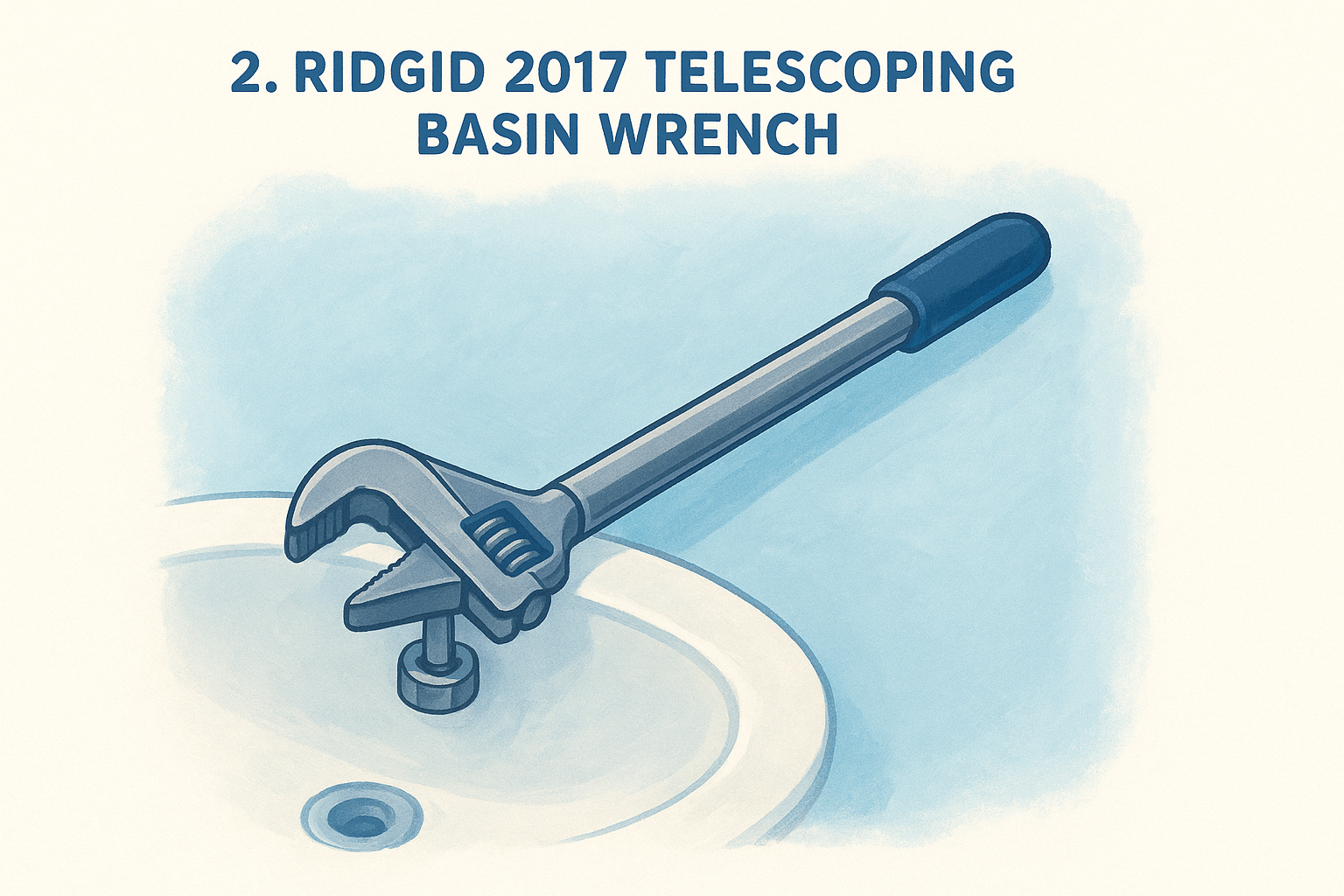
2. RIDGID 2017 Telescoping Basin Wrench

The RIDGID 2017 is a dedicated solution for plumbers who deal with fixture installations and faucet replacements where a standard wrench simply will not fit. Among ridgid plumbing tools built for tight quarters, this one delivers consistent results.

2. RIDGID 2017 Telescoping Basin Wrench

What this tool does on the job

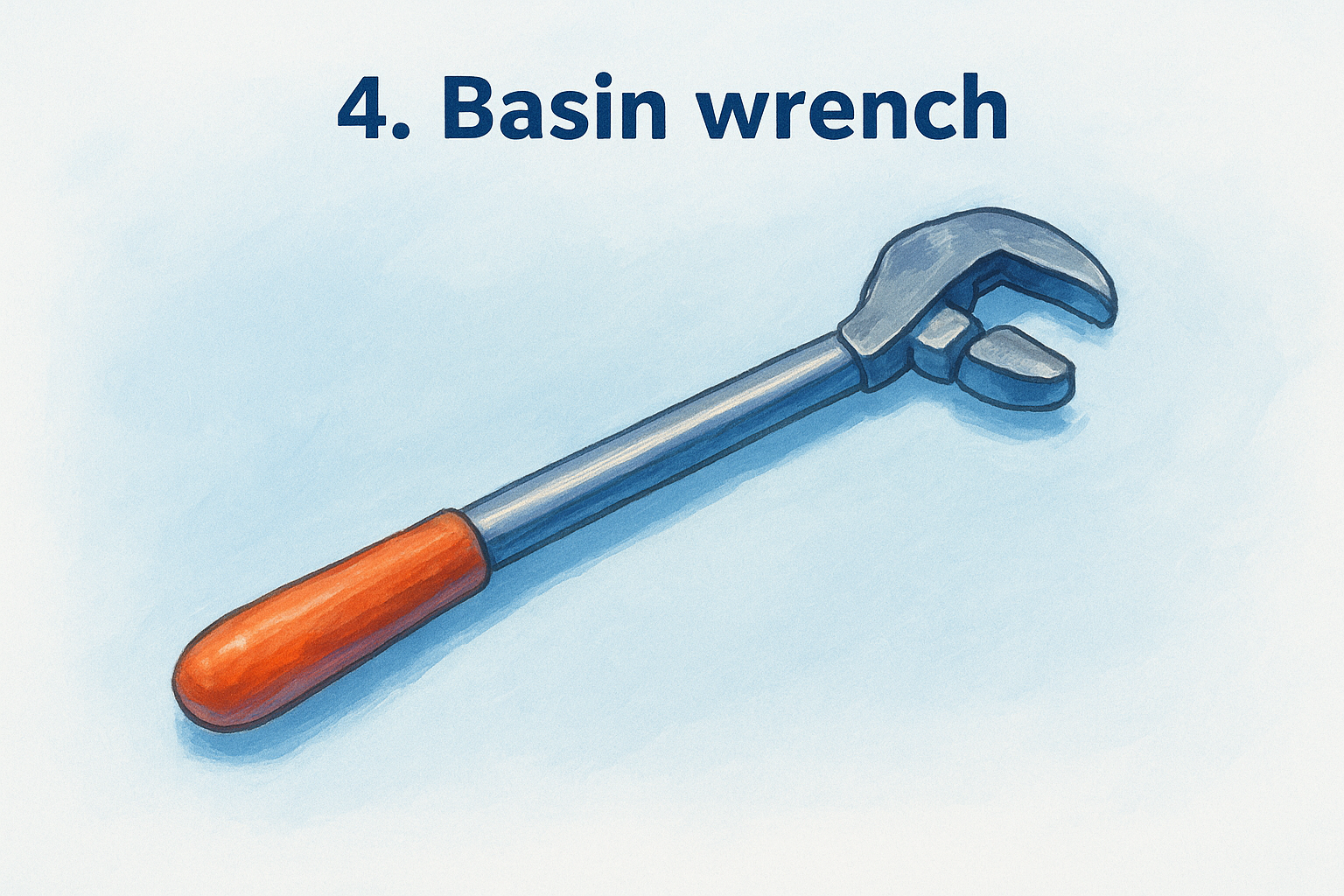
This wrench reaches up behind sink basins to tighten or loosen mounting nuts on faucets and supply lines. The telescoping shaft extends from 11 to 17 inches, giving you access without awkward repositioning.

Best uses under sinks and in tight cabinets

You get the most value from this tool on residential faucet replacements and supply line work inside cramped kitchen and bathroom cabinets. The spring-loaded jaw flips direction to switch between tightening and loosening without pulling the tool out.

For high-volume service plumbers, a basin wrench cuts faucet swap time significantly compared to fumbling with open-end wrenches in the dark.

Key options to compare before you buy

The 2017 model handles nuts up to 1-3/8 inches. For larger commercial fixture work, check the RIDGID 2006, which offers wider jaw capacity.

Pro tips for better bite and less knuckle pain

Keep the jaw teeth free of mineral deposits. Seat the jaw fully on the nut before turning to prevent slipping and scraping your knuckles on cabinet framing.

Typical price range

Expect to pay $30 to $50 for this tool at most retailers.

Where to buy and how to confirm it is legit

Buy from Home Depot, Lowe’s, or Amazon. Confirm the model number 2017 appears on both the listing and the packaging before completing your order.

3. RIDGID K-400 Drain Cleaning Drum Machine

The RIDGID K-400 is a workhorse among ridgid plumbing tools built for residential drain cleaning. It handles stoppages that a hand snake cannot break through and gives you professional-grade reach without hauling oversized equipment.

What this tool does on the job

This machine uses a rotating drum to feed cable through drain lines and cut blockages. You get up to 75 feet of cable reach on standard 1.5- to 3-inch lines, covering most residential service calls.

Best clogs and lines for this machine

The K-400 performs best on grease buildup, hair clogs, and soft obstructions in kitchen, bathroom, and laundry drains. Avoid using it on lines smaller than 1.25 inches, where cable binding becomes a real risk.

For high-volume residential service plumbers, the K-400 covers the vast majority of drain calls without needing a larger machine.

Key options to compare before you buy

Cable Type Best Use
C-45 Standard residential lines
T-100 Heavier grease and roots

Safety essentials for drum machines

Always secure the drum latch before engaging the motor, and wear heavy leather gloves during operation to protect against cable rotation injuries.

Typical price range

You can expect to pay $400 to $500 for the K-400.

Where to buy and how to confirm it is legit

Purchase from Home Depot or an authorized RIDGID distributor. Verify the serial number plate is present on the machine before accepting delivery.

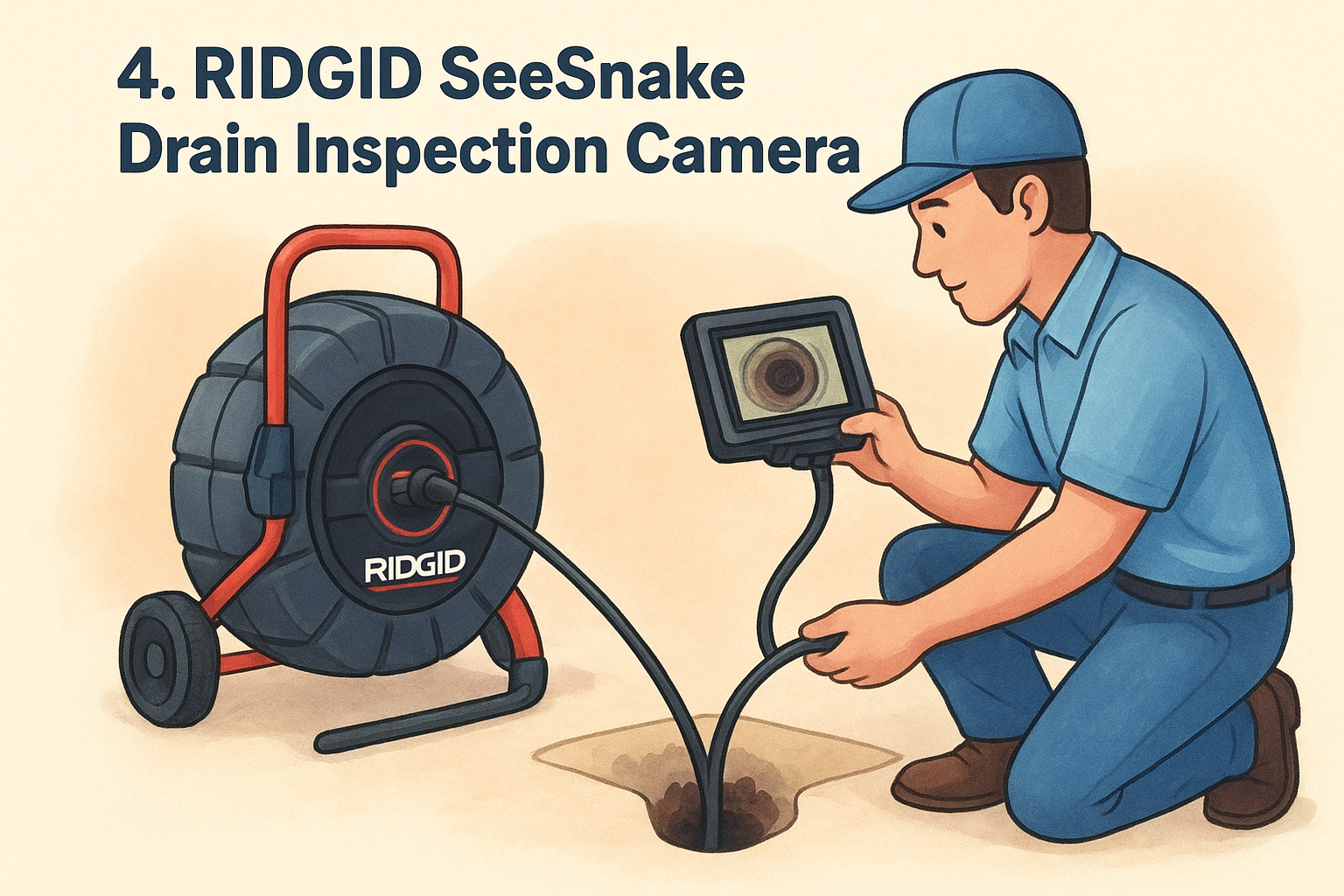
4. RIDGID SeeSnake Drain Inspection Camera

The RIDGID SeeSnake leads among ridgid plumbing tools built for pre-repair line diagnostics. A camera inspection shows you exactly what you are dealing with before you pick up another tool.

4. RIDGID SeeSnake Drain Inspection Camera

What this tool does on the job

This camera feeds a flexible rod with a mounted camera head through drain lines and streams live video to a monitor. You identify root intrusion, pipe collapse, or blockage location without guessing or unnecessary digging.

When a camera saves you time and callbacks

Running a camera before a repair prevents you from missing a secondary blockage downstream that sends you back the following week. Catching pipe collapse early also lets you quote the full repair accurately before you start any work.

One camera inspection can eliminate the callbacks that cost you time and repeated service truck rolls.

Key options to compare before you buy

Two models cover most plumbing service and commercial work without overlap.

Model Best Fit
SeeSnake Compact C40 Residential lines
SeeSnake Max rM200 Commercial lines

How to match camera size to pipe size

Match the camera head diameter to your most common line. Smaller heads cover 1.5- to 2-inch residential pipe, and larger heads handle 3-inch and 4-inch commercial lines.

Typical price range

Expect to pay $1,500 to $4,000 depending on the model and included accessories.

Where to buy and how to confirm it is legit

Buy from Home Depot or an authorized RIDGID distributor. Confirm the SeeSnake branding and serial number appear on the unit before finalizing your order.

5. RIDGID RP 115 Mini Press Tool

The RIDGID RP 115 stands out among compact ridgid plumbing tools as a battery-powered press tool built for plumbers working in confined mechanical rooms and tight residential spaces.

What this tool does on the job

This tool crimps press fittings onto copper, stainless, and carbon steel pipe using a battery-powered jaw mechanism, eliminating open flame entirely on the job.

Who should choose a compact press tool

If you handle residential remodels or commercial retrofit work in tight spaces, the RP 115 fits where full-size press tools cannot reach.

A compact press tool removes the fire permit requirement on jobs where open flame is restricted.

Key options to compare before you buy

The RP 115 handles 1/2-inch to 1-inch pipe sizes. For larger commercial runs, the RIDGID RP 340 covers up to 4 inches.

Fitment basics to avoid bad presses

Always confirm the fitting brand matches your jaw profile before pressing. A mismatched jaw produces an incomplete crimp that fails under pressure.

Typical price range

Expect to pay $600 to $900 for the RP 115 kit with battery and charger included.

Where to buy and how to confirm it is legit

Purchase from Home Depot or an authorized RIDGID distributor. Verify the model number and serial plate appear on the tool before you accept delivery.

ridgid plumbing tools infographic

Final Takeaway

The five ridgid plumbing tools covered here cover a wide range of work, from daily hand tool use to diagnostic inspections and flame-free pressing. Each one earns its place based on how often working plumbers actually reach for it, not just brand recognition or marketing copy.

Your best move is to prioritize the tools that match your current workload. If you run residential service calls, start with the pipe wrench, basin wrench, and K-400. If you work commercial retrofit jobs, the RP 115 and a SeeSnake camera will pay for themselves quickly through faster diagnostics and cleaner installs.

Building a strong tool kit is one part of advancing your career, but finding the right employer matters just as much. Browse the latest opportunities and search plumbing jobs across the US to connect with companies that value skilled, well-equipped tradespeople who know their tools.

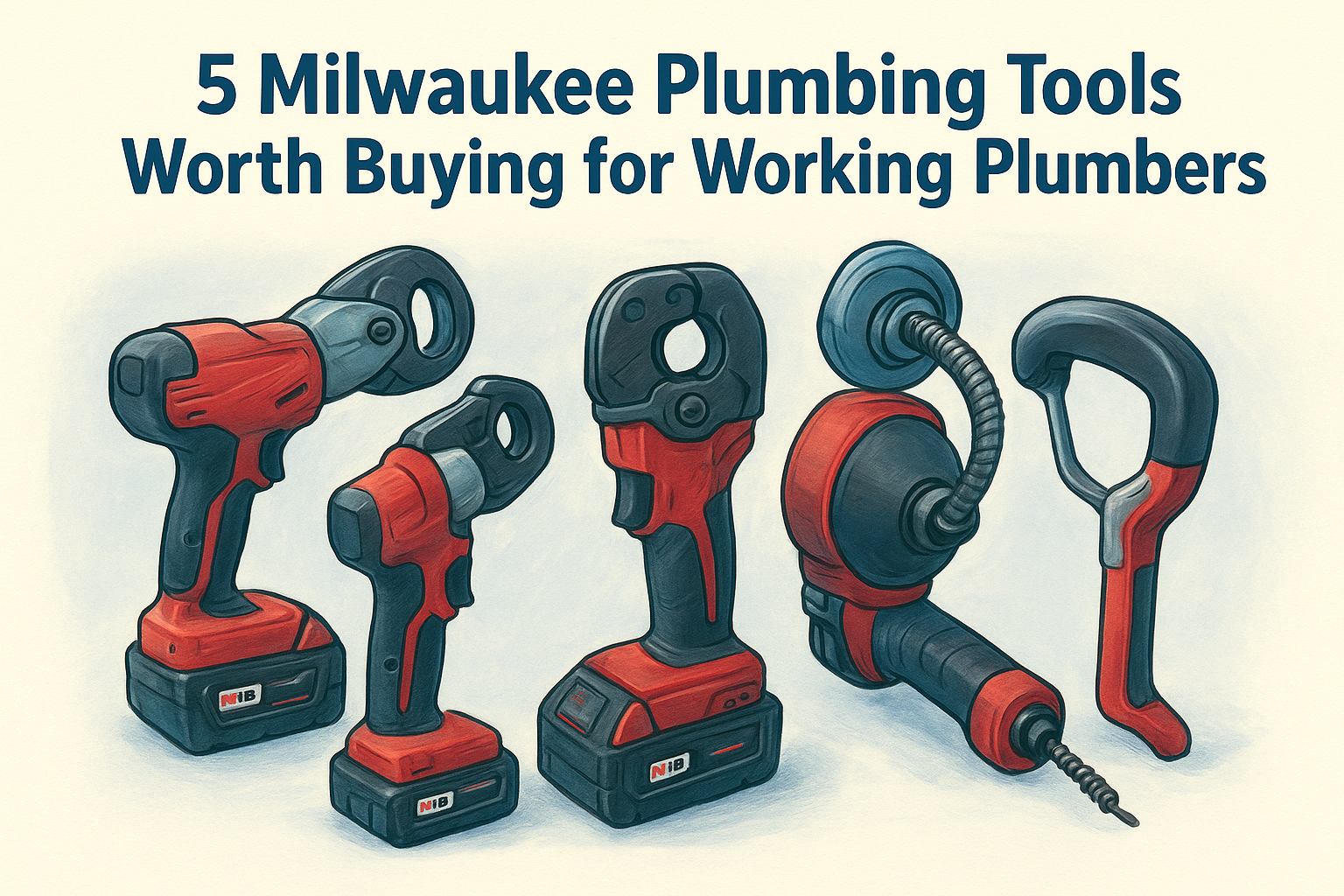
5 Milwaukee Plumbing Tools Worth Buying for Working Plumbers

5 Milwaukee Plumbing Tools Worth Buying for Working Plumbers

Milwaukee has built a reputation among tradespeople for making tools that actually hold up on the job. Their plumbing-specific lineup has grown significantly over the years, and sorting through it all can be a challenge. If you’ve been researching Milwaukee plumbing tools to figure out what’s actually worth your money, this list cuts through the catalog and focuses on five tools that working plumbers rely on daily.

We run PlumbingJobs.com, a job board built specifically for the plumbing trade. We talk to plumbers and plumbing employers across the country every day, and one thing comes up constantly: the right tools make a direct difference in how efficiently you work and how you’re perceived on a job site. Whether you’re an apprentice gearing up for your first full-time role or a journeyman switching shops, showing up with quality equipment matters.

Below, we break down five Milwaukee tools that earn their spot in a plumber’s truck, based on real-world use, durability, and value. Each pick targets a specific need you’ll run into on residential and commercial jobs, so you can spend less time shopping and more time working.

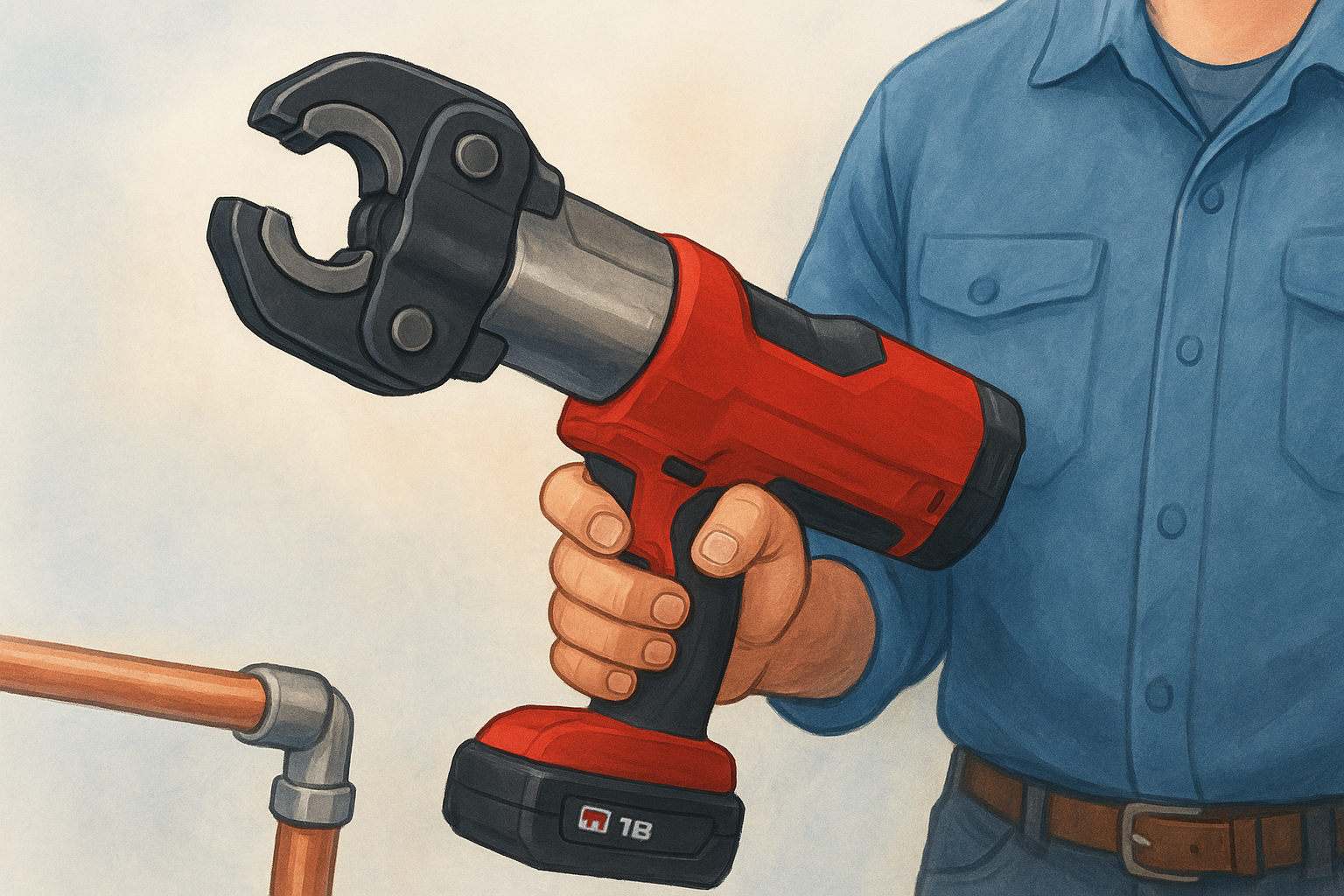
1. Milwaukee M18 FORCE LOGIC Press Tool

The M18 FORCE LOGIC press tool is one of the most recognized Milwaukee plumbing tools on the market. It uses hydraulic pressing force to create leak-free connections on copper, stainless, and other piping systems, replacing open flame in many situations. For commercial and residential jobs alike, this tool delivers speed and reliability in one cordless package.

1. Milwaukee M18 FORCE LOGIC Press Tool

What This Tool Does on the Job

The FORCE LOGIC press tool crimps press-fit fittings onto pipe by generating up to 4 tons of pressing force through an M18 battery. You position the jaws around the fitting, squeeze the trigger, and get a consistent, auditable connection in seconds. It eliminates torch work and open-flame risks on jobs where fire is a liability concern.

Where It Saves the Most Time

Your biggest time savings come on multi-connection jobs like commercial build-outs or large remodels where you’re pressing dozens of fittings in a single day. Each press takes roughly three seconds, so connections that used to take hours with solder now get done in a fraction of the time.

Switching from torch-based soldering to press-fit connections can cut your connection time by more than half on high-volume jobs.

What to Check Before You Buy

Before purchasing, confirm that the jaw sets you need are included or sold separately. The tool body and jaws are often listed independently, so you may need to add jaw sets for your specific pipe sizes to your total order.

Common Fittings and Materials It Supports

The FORCE LOGIC works with copper, stainless steel, and carbon steel piping when paired with the correct jaw set. Most major press-fit fitting brands, including Viega and Nibco, are compatible with the standard jaw lineup.

Typical Price Range and What Affects Cost

The tool body typically runs $400 to $600, depending on whether you buy it bare or as part of a kit. Jaw sets add to the total, usually $50 to $150 each, so budget based on the pipe sizes you work with most.

2. Milwaukee M18 FUEL Pipe Threader

The M18 FUEL pipe threader cuts NPT threads on steel, iron, and stainless pipe without a cord, making it one of the more practical Milwaukee plumbing tools for service work and commercial installs.

What This Tool Does on the Job

This tool threads pipe from 1/2 inch to 2 inches using standard NPT dies, replacing a bulky corded machine on many jobs. You get clean, consistent threads with battery power alone.

Who Should Choose a Cordless Threader

If you work in tight mechanical rooms or move between floors on commercial jobs, cordless operation removes one more obstacle from your workflow. Service plumbers who thread pipe on occasional calls benefit the most from this setup.

A cordless threader makes the most sense if you already run a full M18 battery system on your truck.

Key Features That Matter in the Field

The tool uses FUEL brushless motor technology, which extends motor life and maintains torque under load. Look for the built-in oil reservoir that lubricates the dies automatically during threading.

What Accessories You Will Also Need

You will need NPT die sets for your most common pipe sizes, plus a supply of threading oil for when the reservoir runs low on longer jobs.

Typical Price Range and What Affects Cost

Expect to pay $500 to $700 for the bare tool, with die sets adding $80 to $200 depending on the sizes and quantity you purchase.

3. Milwaukee M18 FUEL Drain Snake with CABLE DRIVE

The M18 FUEL drain snake is one of the more practical Milwaukee plumbing tools for clearing stoppages without hauling a heavy corded machine to every call. The CABLE DRIVE system feeds and retracts cable automatically, reducing hand fatigue on longer drain clearing jobs.

3. Milwaukee M18 FUEL Drain Snake with CABLE DRIVE

What This Tool Does on the Job

This tool clears drain line blockages in residential and light commercial pipes using a flexible cable driven by an M18 battery. You control the cable feed with a trigger, keeping your hands away from the spinning cable throughout the process.

Best Pipe Sizes and Clog Types for This Setup

The drain snake works best in 1-1/4 inch to 2 inch lines, making it ideal for sink and tub drains. It handles hair, grease, and small debris well but is not designed for main sewer line work.

For main line work, you will need a larger drum machine rather than this model.

Cable Size Choices and What to Buy First

Start with the 5/16 inch cable, which fits most lavatory and tub applications. You can add a 3/8 inch cable later for kitchen lines with heavier buildup.

Safety and Cleanup Considerations

Always wear puncture-resistant gloves when handling cable. Keep rags and a bucket nearby since cable retrieval pulls debris and water back with it.

Typical Price Range and What Affects Cost

The tool typically runs $200 to $350, with additional cables costing $30 to $80 depending on length and diameter.

4. Milwaukee Ratcheting Pipe Cutter for Plastic Pipe

The Milwaukee ratcheting pipe cutter is a hand tool that belongs in every plumber’s bag for plastic pipe work. It cuts PVC and CPVC pipe cleanly without power, making it one of the more underrated Milwaukee plumbing tools in the lineup.

What This Tool Does on the Job

This cutter uses a ratcheting mechanism to slice through plastic pipe with controlled, incremental pressure. Each squeeze of the handle advances the blade until the pipe snaps clean, giving you a square, burr-free cut ready for fitting.

When It Beats Saws and Multi-Tools

A ratcheting cutter leaves no plastic shavings or dust compared to a saw, keeping your work area cleaner. It also works in tight spaces where swinging a saw is not practical.

In confined areas like under sinks or inside walls, this cutter saves significant time over any saw.

Blade and Capacity Details to Verify

Check the maximum cutting diameter before buying, as most models cut up to 1-5/8 inches or 2 inches. Confirm the replacement blade is readily available for the specific model you choose.

Tips for Cleaner Cuts and Fewer Re-Dos

Score the pipe lightly with one slow squeeze before applying full ratcheting pressure. This keeps the blade centered and square throughout the cut.

Typical Price Range and What Affects Cost

These cutters typically run $25 to $50, with blade replacements costing $10 to $20 depending on size.

5. Milwaukee Faucet and Sink Installer Wrench

The Milwaukee faucet and sink installer wrench is a hand tool built specifically for fixture work in tight, restricted spaces. It rounds out the milwaukee plumbing tools lineup with a focused solution for faucet and drain installations where standard wrenches simply do not fit.

What This Tool Does on the Job

This wrench drives basin nuts and supply line fittings without requiring constant repositioning in a confined space. Its offset jaw design applies torque from angles that standard wrenches struggle to reach efficiently.

Where It Helps Most in Tight Cabinets

Under kitchen and bathroom sinks, clearance is often limited to just a few inches. The long handle and angled head let you reach past the P-trap to tighten or loosen mounting nuts on faucets and drains without removing other components first.

This wrench earns its place most on retrofit calls where the cabinet stays fully intact.

Common Nuts and Fixtures It Fits

The tool handles plastic and metal basin nuts within its listed jaw range, so verify the size capacity before purchasing. It also works on coupling nuts and lock rings found on standard faucet brands.

When to Pair It with Other Hand Tools

Keep a standard basin wrench and adjustable pliers nearby for connections outside this tool’s reach. On full fixture replacements, both tools together cover the complete range of fasteners you will encounter under a sink.

Typical Price Range and What Affects Cost

This wrench typically runs $25 to $45, with price variation based on jaw capacity and handle length. Bundled kits cost more but offer broader coverage across different fixture types.

milwaukee plumbing tools infographic

Quick Next Steps

These five Milwaukee plumbing tools give you a focused starting point rather than a list of everything in the catalog. Each one addresses a specific task you will face regularly, so prioritize the tools that match your current job type and work volume first.

If you are outfitting a new truck or upgrading for a new position, start with the tools that cover your most frequent calls. The press tool and drain snake handle high-frequency, high-value tasks on most residential and commercial routes. The hand tools fill gaps without a large upfront investment, so they are easy additions at any stage.

Your tools reflect your professionalism on every job site. If you want to stay current on plumbing industry topics, equipment trends, and trade insights, visit the PlumbingJobs.com blog for regularly updated resources built specifically for working plumbers at every career level.

What Is a Journeyman Plumber? Duties, License, Requirements

What Is a Journeyman Plumber? Duties, License, Requirements

If you’ve spent any time browsing plumbing job listings, you’ve probably noticed that "journeyman plumber" shows up more than almost any other title. But what is a journeyman plumber, exactly, and what separates this role from an apprentice or a master plumber?

A journeyman plumber sits at a critical midpoint in the trade, past the training phase, fully licensed to work independently, and often the backbone of a plumbing crew. It’s the stage where you stop learning under someone else’s license and start owning your work. For employers posting on PlumbingJobs.com and for professionals searching our board, understanding this role matters because it defines the qualifications, pay expectations, and career path tied to the majority of open positions.

This article breaks down the journeyman plumber role in full: what they do day to day, what it takes to become one, how licensing works state by state, and where the role fits within the broader plumbing career ladder.

Why journeyman status matters

Reaching journeyman status is more than a milestone on paper. Journeyman licensing tells employers, inspectors, and clients that you can handle a full project independently, without a master plumber standing over your shoulder to sign off on every decision. That legal authorization to work solo is what separates a journeyman from everyone still in training.

Journeyman status is the first point in a plumbing career where you hold your own license and carry full responsibility for the work you complete.

The licensing layer

Understanding what is a journeyman plumber starts with the license itself. Every state in the US requires plumbers to hold a valid license before they can work independently on most job types, and the journeyman license is the standard credential that gets you there. Without it, you are legally limited to working under someone else’s license, which caps both your earning potential and your job options.

States issue journeyman licenses through their own licensing boards, but most follow a similar structure: complete your apprenticeship hours, pass a written exam, and demonstrate field competency. The specifics vary by state, but the credential carries real weight across the entire industry regardless of where you work.

What it means for pay and hiring

Journeyman status directly affects what employers will pay you and which positions you qualify for. Most plumbing job postings list journeyman licensure as a minimum requirement, not a preference, which means holding that credential opens up the majority of available roles. Employers hiring for service techs, commercial installers, and field leads almost always require it.

Your earning potential jumps considerably once you reach this level. According to the U.S. Bureau of Labor Statistics, the median annual wage for plumbers, pipefitters, and steamfitters sits above $61,000, and journeyman-level professionals typically land at or above that figure depending on specialty and location.

What a journeyman plumber does daily

One way to understand what is a journeyman plumber is to look at a typical workday. Journeymen handle the full range of technical plumbing tasks without supervision, from rough-in work and pipe installation to diagnosing system failures and completing repairs to code.

On-site technical work

On any given day, a journeyman plumber might install water supply lines, fit drainage systems, set fixtures, or troubleshoot a faulty water heater. You own the work from start to finish at this level. Journeymen read blueprints, select the right materials, and make judgment calls on the job that directly affect whether a project passes inspection on the first visit.

On-site technical work

The ability to read and execute from blueprints independently is one of the core skills that separates a journeyman from a trainee.

Communication and accountability

Journeymen also carry accountability beyond the physical work. They coordinate with general contractors, building inspectors, and clients to keep projects on schedule and within scope. On larger crews, you may direct apprentices and walk them through correct techniques.

Clear communication and problem-solving matter just as much as pipe-fitting skills at this level. Holding a journeyman license means employers and clients trust your decisions directly, without requiring a master plumber to review every step.

Journeyman vs apprentice vs master plumber

Understanding what is a journeyman plumber is easier when you compare all three tiers side by side. Each level carries different legal permissions and on-site responsibilities, and placing yourself correctly on this ladder shapes which jobs you can apply for and what credential you need to pursue next.

Journeyman vs apprentice vs master plumber

Level Works Independently Can Pull Permits Typical Path
Apprentice No No 4-5 years of supervised training
Journeyman Yes Varies by state Pass exam after apprenticeship
Master Yes Yes Additional experience + advanced exam

How the three tiers stack up in practice

An apprentice works under direct supervision at all times and cannot legally complete work without a licensed plumber on the job. Apprenticeships typically run four to five years, combining field hours with classroom training before you can sit for the journeyman exam.

Reaching journeyman status is the point where you carry your own license and take full legal responsibility for your work.

A master plumber holds the highest credential in the trade, requiring additional years of journeyman experience and a more advanced licensing exam. Masters can open their own business, pull permits in their name, and supervise entire crews, making it the clear next step if you plan to run your own operation.

License and requirements in the US

Part of understanding what is a journeyman plumber is knowing what licensing actually requires in practice. In the US, licensing is handled entirely at the state level, which means the specific hour counts, exam formats, and renewal schedules differ depending on where you work. There is no single national journeyman plumber credential.

Most states require between 4,000 and 8,000 documented field hours before you can sit for the journeyman exam.

What the exam covers

Your journeyman exam tests both code knowledge and practical plumbing principles. Most states base their exams on the International Plumbing Code or a state-adopted equivalent, covering pipe sizing, drainage systems, fixture installation, and safety standards.

Common exam topics include:

  • Local and state plumbing codes
  • Pipe materials and sizing
  • Drainage, waste, and vent systems
  • Water supply and pressure calculations
  • Safety and inspection standards

Hour requirements by state

The hour requirements vary considerably across states. Some states set the bar at 4,000 supervised field hours, while others require closer to 8,000 hours before you qualify to test.

A few states also require you to complete formal trade school coursework alongside your field hours. Check your state’s licensing board website for the current breakdown of hour requirements and any additional prerequisites before you apply.

How to become a journeyman plumber

The path to journeyman status follows a clear, documented sequence. You build your field hours through an apprenticeship, complete any required coursework, and sit for your state’s licensing exam when you qualify.

Tracking your field hours accurately from day one saves significant time when you apply to sit for the journeyman exam.

Complete your apprenticeship

Most apprenticeships run four to five years and combine hands-on field work with classroom instruction. Programs through recognized trade unions or contractor associations are widely accepted by state licensing boards and give you a structured path to the hours you need.

You can locate apprenticeship programs through your local union hall or by contacting your state licensing board directly. Either route puts you on a tracked, documented path toward your exam eligibility.

Pass the licensing exam

Once you meet the hour requirement, you register with your state licensing board and schedule the exam. This is the step that answers what is a journeyman plumber in a legal sense: you carry your own credential and can work independently on any job it covers.

When you apply, have these items ready:

  • Documented field hours
  • Proof of apprenticeship completion
  • Application fee

what is a journeyman plumber infographic

Wrap up and find your next role

Understanding what is a journeyman plumber means knowing where you stand in the trade, what your license allows you to do, and how your role differs from both apprentices and master plumbers. Journeyman status is the point where your skills are recognized legally, giving you the independence to work on your own and the credentials employers actively search for when filling open positions.

Your next step depends on where you are right now. If you already hold a journeyman license, the job market for qualified plumbers is strong and employers are hiring across the country. If you’re still working toward your credential, every documented field hour brings you closer to the exam and the opportunities that follow.

Either way, the right opportunity is out there and the market for licensed plumbers remains strong. Browse current journeyman plumber job listings to find a position that fits your skills, your location, and where you want to take your career.

Top 10 Plumbing Tools List for Pros And Apprentices In 2026

Top 10 Plumbing Tools List for Pros And Apprentices In 2026

Whether you’re gearing up for your first apprenticeship or building out a service van after landing a new gig, having the right plumbing tools list matters more than most people think. The difference between a smooth job and a frustrating one often comes down to what’s in your toolbox, and whether you actually know how to use each piece.

At plumbingjobs, we help plumbers at every career stage find work across the United States. We talk to employers daily, and one thing comes up constantly: they expect candidates to show up prepared. That means owning your own core tools and understanding which ones a specific job calls for. It’s a basic signal of professionalism that hiring managers notice right away.

This list breaks down the top 10 plumbing tools that every pro and apprentice should have on hand in 2026, with real explanations of what each tool does and why it earns a spot in your kit. No filler, just the gear that actually gets used on the job.

1. Tape measure and torpedo level

These two tools are the foundation of accurate plumbing work. Before you cut a single pipe or position a single fitting, you need to know your measurements and whether your work sits perfectly level or plumb. Skipping either one leads to misaligned pipes, failed inspections, and a frustrated foreman.

What it does

A tape measure lets you take precise linear measurements so pipes fit exactly where they need to go with no guesswork. A torpedo level, typically around 9 inches long, is shorter than a standard carpenter’s level, which means it fits into tight spaces like under sinks, inside wall cavities, and along close pipe runs. It tells you instantly whether a pipe or fixture is sitting level, plumb, or at a 45-degree angle.

Plumbers who skip the torpedo level on drain line installations often create low spots that collect debris and cause recurring blockages.

When you’ll use it on the job

You’ll reach for both of these tools constantly throughout any plumbing job. Use the tape measure during rough-in work when pipe offsets need to hit specific dimensions, when locating fixture positions, and when calculating how much material to order before heading to the supply house. Pull out the torpedo level when setting a toilet flange, pitching a drain line to the correct slope, or mounting a water heater bracket flush against a wall.

Both tools earn a permanent spot on any serious plumbing tools list because nothing else replaces them for fast, reliable field measurements.

What to look for when buying

Look for a tape measure with a blade width of at least 1 inch so it holds itself out without folding on longer pulls. A magnetic hook tip helps when you are measuring solo. For the torpedo level, choose one with three vials covering level, plumb, and 45 degrees so you cover every common angle. A rubber grip body helps it survive being dropped repeatedly in confined spaces.

Typical price range

A quality 25-foot tape measure runs between $15 and $35 at major hardware retailers. A reliable torpedo level costs between $10 and $30. Buying both together keeps your total investment under $65, making this the most affordable pairing on the entire list.

2. Pipe wrench

No plumber leaves the house without a pipe wrench. This tool is one of the most recognizable pieces of the trade, and it earns that reputation by handling the heavy-duty pipe work that lighter tools simply cannot manage.

What it does

A pipe wrench grips and turns threaded pipes and fittings using a self-tightening jaw that bites harder as you apply more torque. The serrated jaws dig into rounded surfaces, giving you maximum leverage on steel and iron pipe that would strip smooth-jawed tools completely.

When you’ll use it on the job

You’ll pull out a pipe wrench whenever you’re working with galvanized steel or black iron pipe, which is common in gas lines and older water supply systems. Most plumbers carry two: one to hold the pipe still and one to turn the fitting. Any serious plumbing tools list for professional work includes at least one matched pair.

Carrying two pipe wrenches of different sizes lets you work faster and prevents pipe from spinning inside walls when you’re making connections.

What to look for when buying

Look for a 14-inch wrench for general work and an 18-inch for heavier pipe runs. Cast iron construction holds up longer than aluminum under daily job site abuse. Check that the jaw adjustment moves smoothly without sticking before you buy.

Typical price range

A reliable pipe wrench runs between $20 and $50 per unit depending on size and brand. Buying a two-wrench set typically costs between $40 and $90 total.

3. Adjustable wrench

An adjustable wrench belongs on every plumbing tools list because it handles a wide range of fastener sizes without requiring a separate wrench for each one. Unlike a pipe wrench, it uses smooth jaws that grip nuts and bolts without damaging the finish on supply lines, fixture hardware, and compression fittings.

What it does

This tool works by letting you dial the jaw opening to match the exact size of whatever nut or bolt you are turning. That versatility makes it one of the most frequently reached-for tools during any plumbing job, covering everything from supply stop valves to packing nuts on shutoff valves.

When you’ll use it on the job

You’ll use it constantly during finish plumbing work when installing faucets, connecting supply lines under sinks, and tightening compression fittings on copper or braided supply lines. It also works well in tight spaces where a pipe wrench would be too bulky to maneuver effectively.

Using smooth jaws instead of serrated ones protects chrome and polished fixture hardware from scratching during final installation.

What to look for when buying

Choose a wrench with a 10-inch or 12-inch jaw capacity for the most versatility across common plumbing fastener sizes. Look for a laser-etched scale on the jaw so you can read the opening without guessing, and confirm the adjustment wheel turns smoothly without slipping under pressure.

Typical price range

A reliable adjustable wrench costs between $15 and $40 depending on size and brand. Buying one 8-inch and one 12-inch covers nearly every situation you will encounter on the job.

4. Basin wrench

A basin wrench is one of those tools that feels oddly specific until you actually need it, and then you realize nothing else on this plumbing tools list can do the same job. It handles a very particular task that a standard wrench or pliers simply cannot reach.

4. Basin wrench

What it does

A basin wrench has a long shaft with a pivoting jaw at the end that grips and turns nuts in extremely tight, confined spaces. The jaw swivels 180 degrees so it tightens or loosens depending on which direction you need, making it the only practical option for reaching deep back under sink basins where no other hand tool fits.

Skipping a basin wrench and trying to reach faucet mounting nuts with regular pliers turns a simple faucet swap into a 45-minute ordeal.

When you’ll use it on the job

You will pull this tool out every time you install or remove a kitchen or bathroom faucet. The mounting nuts sit far back behind the sink basin, completely out of reach for standard wrenches. Without a basin wrench, that job becomes a long, awkward struggle that slows your whole day down.

What to look for when buying

Choose a model built with these features:

  • Telescoping shaft that extends from 10 to 17 inches to match different sink depths
  • A spring-loaded jaw that locks in position without slipping while you work without a direct line of sight

Typical price range

A reliable basin wrench runs between $15 and $45 depending on shaft design and build quality.

5. Tongue-and-groove pliers

Tongue-and-groove pliers, often called by brand names like Channellock, are one of the most versatile gripping tools on any serious plumbing tools list. Their adjustable jaw design lets you clamp onto pipes, fittings, and fixtures of widely different sizes without switching tools mid-job.

What it does

This tool uses an offset pivot mechanism that lets the jaw open to multiple widths while keeping the handles parallel. That design gives you a firm, controlled grip on everything from small compression fittings to large drain trap nuts without your hand slipping or the tool losing purchase under torque.

When you’ll use it on the job

You will reach for these pliers constantly during both rough-in and finish work. They shine when you need to grip plastic or metal trap assemblies under sinks, remove stuck cleanout plugs, and hold fittings in place while you tighten connections with another tool.

Wrapping the jaw with electrical tape or using a rag protects chrome drain hardware from scratching during final trim-out work.

What to look for when buying

Choose a pair with at least 12-inch handles for strong leverage without overexerting your grip. Look for laser-hardened teeth that stay sharp after repeated use and an adjustment mechanism that locks firmly without slipping when you apply force.

  • 10-inch for tight, confined spaces
  • 12-inch for general plumbing tasks

Typical price range

A reliable pair runs between $15 and $35. Most plumbers carry both a 10-inch and a 12-inch pair to cover every situation.

6. Tubing cutter

A tubing cutter deserves a permanent spot on every plumbing tools list because it makes cleaner, faster cuts on copper pipe than any other hand tool available. Unlike a hacksaw, it produces perfectly square, burr-minimal cuts that sit flush when you sweat a joint or press on a fitting.

What it does

A tubing cutter works by rolling a hardened cutting wheel around the outside of copper or soft aluminum tubing while you gradually tighten the frame with each rotation. The result is a clean, square cut that requires only light deburring before you solder or connect a fitting, saving you significant time compared to cutting by hand.

When you’ll use it on the job

You will reach for a tubing cutter on every job that involves copper pipe, from rough-in supply line work to replacing sections of damaged line during service calls. Many models also cut CPVC and thin-wall tubing when equipped with a scoring blade, giving you more range from a single tool.

A square cut makes the difference between a joint that seals on the first try and one that leaks during pressure testing.

What to look for when buying

Choose a cutter with a cutting capacity of at least 1-1/8 inches to cover the most common residential pipe sizes. A built-in reamer blade mounted directly on the frame saves you from carrying a separate deburring tool in your kit.

Typical price range

A reliable tubing cutter costs between $10 and $30 depending on cutting capacity and brand.

7. Thread sealing tape and pipe dope

Thread sealing tape and pipe dope are two consumable sealing products that keep threaded connections from leaking. No serious plumbing tools list is complete without both, because each one handles specific materials and connection types where the other falls short.

What it does

Thread sealing tape, commonly called PTFE or Teflon tape, wraps around male pipe threads before you assemble a fitting. It fills microscopic gaps in the threads and lubricates the joint so the connection tightens without binding. Pipe dope, also called pipe joint compound, works similarly but in paste form and bonds more aggressively to metal threads for high-pressure or gas line applications.

Using the wrong sealant on a gas line fitting is a serious safety hazard, so always confirm which product your local code requires before starting the job.

When you’ll use it on the job

You will apply one or both of these products on nearly every threaded connection you make, from water supply lines and shower arms to gas valves and hose bibs. Most plumbers apply tape to plastic fittings and dope to metal-to-metal iron or steel connections to match material compatibility.

What to look for when buying

Choose yellow PTFE tape specifically rated for gas lines if your work covers both gas and water systems. For pipe dope, pick a product labeled for all-purpose or multi-purpose use so it handles both plastic and metal threads without cracking over time.

Typical price range

PTFE tape typically costs between $1 and $5 per roll. A reliable tub of pipe dope runs between $6 and $15 depending on size and brand.

8. Soldering torch

A soldering torch is the go-to tool for making permanent copper pipe connections, and it earns its place on any complete plumbing tools list used in residential and light commercial work. Without it, you cannot sweat a joint, and without a solid sweat joint, copper supply systems will fail under pressure.

8. Soldering torch

What it does

A soldering torch applies direct, concentrated heat to a copper fitting and pipe so the solder flows into the joint through capillary action and bonds permanently when it cools. Most plumbers use a MAPP gas or propane torch depending on the pipe diameter and how quickly they need to build heat on the joint.

MAPP gas burns hotter than propane, which makes it the faster choice when working on larger diameter copper pipe or back-to-back joints in tight timelines.

When you’ll use it on the job

You will need a torch on any job that involves cutting and replacing copper pipe, soldering new supply line runs during rough-in, or repairing a damaged section of existing copper. It pairs directly with your tubing cutter and flux to complete the connection.

What to look for when buying

Choose a torch with a self-igniting trigger so you do not need a separate striker. A swivel-head burner lets you direct heat in confined wall and ceiling cavities without repositioning your entire arm.

Typical price range

A reliable soldering torch kit costs between $30 and $80 depending on whether it includes a fuel canister and carrying case.

9. Drain auger

A drain auger, also called a plumbing snake, is the go-to tool for clearing blocked drains and clogged lines that a plunger cannot reach. Every complete plumbing tools list for professional work includes one because drain blockages are among the most common service calls in the trade.

9. Drain auger

What it does

A drain auger feeds a flexible steel cable into a drain line until the tip reaches and breaks apart the obstruction, whether that is grease buildup, a hair clog, or a solid mass sitting deep in the pipe. Handheld models handle smaller residential drains, while larger drum augers tackle main sewer lines with more reach and cable diameter.

When you’ll use it on the job

You will reach for a drain auger on service calls involving slow or completely blocked drains in kitchens, bathrooms, and floor drains. It clears obstructions that sit well beyond the trap where no other hand tool can reach.

A hand auger covers most sink and tub drains, but a drum-style machine with at least 50 feet of cable handles main line stoppages far more effectively.

What to look for when buying

Choose an auger with a cable length of at least 25 feet for general residential work. A pistol-grip handle with a rotating drum gives you better control when feeding cable through bends and offsets in the drain line.

Typical price range

A reliable hand auger costs between $20 and $60. A drum-style auger runs between $60 and $150 depending on cable length and build quality.

10. Safety gear

Safety gear rounds out every serious plumbing tools list because no job is worth finishing if you get hurt doing it. Employers notice when candidates show up with proper personal protective equipment, and skipping it sends the wrong message before you even touch a wrench.

What it does

Safety gear protects your eyes, hands, lungs, and knees from the physical demands of daily plumbing work. Cut-resistant gloves shield your hands when handling sharp pipe ends and copper fittings, while safety glasses keep debris and soldering flux out of your eyes during any cutting or torch work.

The Occupational Safety and Health Administration requires eye and hand protection on most active job sites, so wearing yours keeps you compliant and employed.

When you’ll use it on the job

You will reach for your safety gear at the start of every single job, not just the ones that look risky at first glance. Knee pads protect you during long stretches of work on concrete floors, and a respirator or dust mask becomes essential when cutting into walls or working near older pipe insulation.

What to look for when buying

Choose gear built for trade work rather than light home use. Your core kit should include:

  • ANSI Z87.1-rated safety glasses for impact resistance
  • Cut-resistant gloves rated at ANSI A4 or higher
  • Foam knee pads with a hard plastic shell

Typical price range

A complete starter safety kit runs between $30 and $80 depending on the quality of each individual piece.

plumbing tools list infographic

Final checklist

This plumbing tools list covers the ten items that show up on real job sites every single day. Whether you’re an apprentice putting together your first kit or a journeyman upgrading your setup before a new role, these tools give you a solid, professional foundation that employers notice immediately. No single item on this list is optional if you plan to work at a professional level.

Quick reference:

  • Tape measure and torpedo level
  • Pipe wrench
  • Adjustable wrench
  • Basin wrench
  • Tongue-and-groove pliers
  • Tubing cutter
  • Thread sealing tape and pipe dope
  • Soldering torch
  • Drain auger
  • Safety gear

Owning the right tools is only part of the equation. Finding an employer who recognizes your skills and preparation matters just as much. If you’re ready to take the next step in your plumbing career, browse plumbing jobs and industry resources at PlumbingJobs.com and connect with employers who are actively hiring across the United States right now.

5 Best Plumbing Certification Programs (Online & In-Person)

5 Best Plumbing Certification Programs (Online & In-Person)

Getting hired as a plumber starts with having the right credentials, and choosing the right plumbing certification programs can make or break your early career. Whether you’re brand new to the trade or you’re a working plumber ready to level up, a solid certification tells employers you have verified skills and training they can count on.

The problem? There are dozens of programs out there, and not all of them carry the same weight with hiring managers. Some offer hands-on shop time, others are fully online, and a few combine both. Picking the wrong one means wasted time and money. Picking the right one means faster job offers and a stronger foundation for licensing down the road.

Here at plumbingjobs, we connect plumbers with employers across all 50 states, so we see firsthand what certifications hiring companies actually value. We put together this list of five programs worth your attention, covering both online and in-person options, to help you invest in training that leads to real job opportunities.

1. PlumbingJobs.com Plumbing Schools and Certification Finder

PlumbingJobs.com offers a schools and certification finder that cuts through the clutter of searching for plumbing certification programs state by state. Instead of bouncing between school websites and state licensing boards, you get organized information in one place.

What it is and how it helps you pick a program

The finder aggregates plumbing schools and training programs across the U.S. and organizes them by state. You can quickly see which programs operate in your area and what credential each one leads to.

Key details you can access for each program include:

  • Program type (online, in-person, hybrid)
  • State coverage and location
  • Credential or certification earned

How to match training to your state license path

Licensing requirements vary significantly by state, and a program that satisfies requirements in Texas may not count toward a license in New York. Use the finder to filter programs against your specific state’s licensing track, so every dollar you spend on training moves you closer to your actual license.

How to match training to your state license path

Picking a program before confirming your state’s requirements is one of the most common and costly mistakes new plumbers make.

How to compare programs fast without missing red flags

You can review program length, format, and credentials side by side without clicking through multiple websites. This makes it straightforward to catch issues like programs that lack hands-on components or fail to clearly state what certification you earn at the end.

How to connect training choices to real plumbing jobs

Once you finish a program, PlumbingJobs.com lets you browse active job listings that match your new credential. Seeing which certifications local employers request helps you confirm your training choice is worth the investment before you even enroll.

Cost to use

Free for all job seekers. You pay nothing to search schools, browse listings, or set up job alerts.

Best for

Career changers and new trade entrants who need to research state-specific training options and want to connect those choices directly to real local hiring opportunities without paying for a separate research tool.

2. Penn Foster Plumber Career Diploma

Penn Foster offers a fully online plumber career diploma that works well for people who need schedule flexibility. You study at your own pace while still working toward a recognized credential in the plumbing trade.

Program format and weekly time commitment

Penn Foster runs on a self-paced online format, so you control when and where you study. Most students finish the program in under a year with consistent weekly effort.

What you learn and what credential you earn

You cover plumbing theory, pipe systems, and drain installation basics, earning a Penn Foster Career Diploma upon completion. This credential signals foundational knowledge to entry-level employers.

Hands-on requirements and how students complete them

Penn Foster’s program is primarily online, so hands-on practice is your responsibility. The school recommends supplementing coursework with local apprenticeship or shop hours to build practical skills.

Without real hands-on time, a diploma alone rarely satisfies state licensing boards for plumbing certification programs.

Enrollment requirements and who this works for

No prior plumbing experience is required to enroll. You only need a high school diploma or GED to get started.

Tuition, fees, and payment options to expect

Tuition runs approximately $999, with monthly payment plans available to reduce upfront costs.

Best for

Working adults who need a flexible, low-cost introduction to plumbing coursework before pursuing a formal apprenticeship or trade school program.

3. LaGuardia Community College Plumbing 1 Training Program

LaGuardia Community College in New York City offers a Plumbing 1 training program built for students who want a structured, instructor-led entry into the trade.

Program format, schedule, and typical length

The program runs in a classroom and lab format on a set schedule. Most students complete it in one semester, keeping your time commitment manageable.

Certifications included and what they mean for hiring

Completers earn an OSHA 10 certification alongside a program certificate. These credentials show employers you have verified safety knowledge and a working grasp of plumbing fundamentals.

OSHA 10 is one of the most requested credentials by commercial plumbing employers at the hiring stage.

Skills covered and how much hands-on time you get

Lab sessions cover pipe fitting, basic drain systems, and tool handling, so you build real hands-on experience. That built-in practical time is what separates this from online-only plumbing certification programs.

Skills covered and how much hands-on time you get

Eligibility requirements and application notes

You need a high school diploma or GED to enroll. Registration runs through LaGuardia’s continuing education office, so verify current session dates before you apply.

Tuition, fees, and other costs to plan for

Expect to pay roughly $500 to $700 in tuition, with possible additional material and tool fees billed separately.

Best for

New York City-area candidates who want structured, hands-on classroom instruction with safety credentials included from day one.

4. Triton College Plumbing Certificate

Triton College in River Grove, Illinois offers a plumbing certificate designed to give students a structured path into the trade through a sequence of hands-on courses.

Program format, course sequence, and completion time

The program runs in-person with a required course sequence. Most students complete it in two semesters by following that order without skipping prerequisites.

Core competencies you build for entry-level roles

You develop skills that prepare you for entry-level work, including:

  • Pipe installation and drainage systems
  • Fixture connections and water supply lines
  • Practical shop techniques from day one

These are among the most requested skills in plumbing certification programs across the country.

How the program covers codes, plans, and safety

Coursework includes local and national plumbing codes alongside blueprint reading and job-site safety. Knowing codes before your first job saves you from costly errors early in your career.

Employers regularly screen entry-level candidates on code awareness during interviews.

Admissions requirements and placement expectations

You need a high school diploma or GED to apply. Triton may require a math placement assessment before you enroll in technical coursework.

Tuition, fees, and tool costs to budget for

Tuition runs at Illinois community college rates, roughly $150 to $200 per credit hour for in-district students. Budget extra for tools and lab materials not covered in base tuition.

Best for

Illinois-area students who want a structured, in-person certificate that builds technical skills and code knowledge together.

5. El Paso Community College Foundations of Plumbing

El Paso Community College offers a Foundations of Plumbing course designed to give you an accessible entry point into the trade without requiring a long-term commitment upfront.

Program format and how it fits working adults

The program runs in a short-term, in-person format that works well if you’re balancing a job or family responsibilities. Sessions are typically scheduled in concentrated blocks, reducing the drag of a multi-semester commitment.

Topics covered from residential to commercial basics

You cover residential and light commercial plumbing fundamentals, including pipe systems, fixtures, and basic water supply concepts. This broad foundation prepares you for entry-level roles across different work environments.

Employers value candidates who understand both residential and commercial basics, since most companies handle both.

Labs, practical skills, and what to ask about shop time

Ask the admissions office directly about lab hours and hands-on shop access before you enroll. Confirm that practical skill sessions are included and not just theory-based lectures.

Prerequisites, enrollment steps, and local limitations

You need a high school diploma or GED to enroll. This program serves the El Paso, Texas region, so geographic access is limited to local students.

Typical costs and what may not be included

Expect affordable community college pricing, but budget separately for tools and safety gear not covered in base tuition.

Best for

El Paso-area beginners looking for a fast, low-barrier introduction to plumbing certification programs before committing to a full apprenticeship.

plumbing certification programs infographic

Next Steps

You now have five solid options to evaluate, from free online finders to in-person community college programs. The right choice depends on your state’s licensing path, your schedule, and how much hands-on training you need built into the program. Use that framework to narrow your list to one or two programs before you spend any money.

Once you finish your chosen program, the next move is finding employers who recognize your new credential. Plumbing certification programs carry real weight with hiring managers, but only if you put them in front of the right companies. Start applying before you even complete your training so you have interviews lined up when you finish.

Browse active listings and find plumbing jobs near you on PlumbingJobs.com to see exactly what local employers are hiring for right now. Knowing what the market wants helps you confirm your training was the right investment.

5 DEWALT Plumbing Tools Every Pro Plumber Wants (2026)

5 DEWALT Plumbing Tools Every Pro Plumber Wants (2026)

DEWALT has earned its spot on truck after truck for good reason. Their dewalt plumbing tools lineup has grown well beyond basic drills and drivers into purpose-built equipment designed specifically for pipe work, press tools, expansion tools, crimpers, and more.

Whether you’re a journeyman running service calls or a master plumber managing new construction, the right tools directly affect how fast and how well you work. And employers notice. Across the job listings here on plumbingjobs, you’ll regularly see companies that supply DEWALT equipment as a hiring perk, proof that the brand carries serious weight in the trade. Knowing what’s available (and what’s worth the investment) gives you an edge on the job site and in your career.

Below, we break down five DEWALT plumbing tools that pros are actually buying and using in 2026, no filler picks, just the gear that’s earning its place in the field.

1. DEWALT 20V MAX Cordless Pipe Press Tool

The DCE200 is the standout item in the dewalt plumbing tools lineup and the one most plumbers point to first. It uses battery-powered hydraulic force to make leak-free press connections on copper, stainless, and carbon steel pipe without open flame, making your work faster and compliant in fire-restricted areas.

1. DEWALT 20V MAX Cordless Pipe Press Tool

What it does on the job

This tool drives a full press cycle in approximately 3 to 5 seconds, connecting pipes from 1/2" up to 2" diameter depending on the jaw set you attach. It eliminates soldering on tight commercial jobs, cutting your connection time and reducing your liability on fire-watch requirements.

Switching from a torch to a press tool can cut your connection time by more than half on high-volume rough-in work.

Key specs and features to compare

The DCE200 runs on a 20V MAX battery and delivers up to 11,000 lbs of pressing force. An LED indicator confirms each completed press cycle, and its compact design at around 8.5 lbs keeps you moving in tight mechanical rooms and wall cavities.

Spec Detail
Press force Up to 11,000 lbs
Pipe range 1/2" to 2" (with compatible jaws)
Cycle time ~3 to 5 seconds
Weight ~8.5 lbs with battery

Where it shines for plumbers

Commercial remodels and occupied buildings are where this tool earns its place. No flame means no fire watch, no scorched insulation, and no delays waiting for areas to cool.

Your production speed on multi-unit residential rough-ins increases sharply too, since each connection takes seconds rather than the setup time a torch requires.

Watch-outs and limits

Compatible jaw sets are sold separately, which adds meaningful cost on top of the tool itself. It also won’t cover solder-only fittings or repairs in spots where press fittings simply won’t fit.

Typical price range

Expect to pay $400 to $550 for the bare tool. Kits bundled with jaw sets and batteries run higher but offer better overall value if you’re building out your press setup from scratch.

2. DEWALT Press Jaws and Crimping Heads

The DCE200 only performs as well as the jaws you attach to it. Within the broader dewalt plumbing tools lineup, press jaw sets and crimping heads are the accessories that determine which pipe materials and fitting systems you can actually work with on a given job.

What it does on the job

Each jaw clips onto the DCE200 and channels the tool’s hydraulic pressing force to a specific fitting type, covering copper press, ProPress, and MegaPress systems. Swapping heads takes seconds, so you stay productive when a job calls for multiple pipe materials in the same run.

Key specs and features to compare

Feature Detail
Pipe sizes 1/2" to 2"
Compatible systems Copper, MegaPress, ProPress
Color coding Yes, by pipe size

Where it shines for plumbers

Running mixed-material systems on commercial work is straightforward when you carry the right jaw for each fitting spec. No extra tools, no delays switching between pipe types.

Building out a complete jaw kit before a large job eliminates scrambling when the material spec changes mid-project.

Watch-outs and limits

These jaws only work with DEWALT’s press tools, not competing brands. You also need separate sets for each fitting system, so costs climb quickly if you regularly work across multiple standards.

Typical price range

Individual jaw sets run $100 to $300 per set, depending on pipe size and fitting system compatibility.

3. DEWALT 20V MAX Compact Reciprocating Saw

The DCS367 is the cutting workhorse in the dewalt plumbing tools lineup. Plumbers use it daily to cut through multiple pipe materials in tight spots where a full-size saw simply won’t reach.

What it does on the job

This saw cuts fast through pipe in confined wall cavities, under sinks, and inside mechanical chases. Its short body means you reposition less and finish cuts faster on both service calls and remodels.

  • Copper and CPVC
  • PVC and ABS
  • Galvanized and cast iron

Key specs and features to compare

Spec Detail
Battery 20V MAX
Stroke length 1-1/8"
SPM 0–3,000
Weight ~5.7 lbs with battery

A keyless blade clamp lets you swap blades quickly, and variable speed keeps you in control across different pipe materials.

Where it shines for plumbers

Remodel and occupied-building service calls are where this tool earns its spot on the truck. You get into tight access points without fighting the saw or damaging surrounding surfaces.

Compact recip saws cut your repositioning time significantly on jobs where every inch of clearance matters.

Watch-outs and limits

The shorter stroke length means it won’t match a full-size recip on heavy demo work. Extended cast iron demolition will push this tool past what it’s built for.

Typical price range

Option Price Range
Bare tool $100–$150
Kit with battery and charger $180–$220

4. DEWALT 20V MAX Compact Band Saw

The DCS371 rounds out the cutting portion of the dewalt plumbing tools lineup with a tool built for clean, controlled cuts on pipe without the vibration a reciprocating saw produces.

What it does on the job

This saw delivers straight, burr-reduced cuts on copper, PVC, and thin-wall conduit. You get cleaner press and solder prep, which means less deburring time after each cut.

A clean band saw cut on copper reduces your fitting prep time compared to a recip cut on the same pipe.

Key specs and features to compare

Spec Detail
Battery 20V MAX
Blade speed 530 SFPM
Weight ~6.5 lbs with battery
Cutting capacity 2-1/2" round

Where it shines for plumbers

Your copper rough-in work and tight mechanical room repairs benefit most here. The controlled cut quality keeps fittings square and saves you from rework on press and solder connections.

Watch-outs and limits

This tool is not rated for cast iron or heavy structural steel. Your blade life drops fast if you push it past its intended materials, so carry the right blades for the job.

Typical price range

Option Price Range
Bare tool $130–$180
Kit with battery $200–$250

5. DEWALT 20V MAX Inspection Camera

The DCT416 rounds out the core dewalt plumbing tools lineup with a tool that lets you see inside drain lines, wall cavities, and crawl spaces without pulling fixtures or cutting walls open.

5. DEWALT 20V MAX Inspection Camera

What it does on the job

This camera runs a flexible cable with a waterproof LED head into pipes and tight spaces, giving you a live feed on its built-in screen. You diagnose blockages, breaks, and misalignments before you commit to any demo work.

Pinpointing a problem location before cutting keeps your repair scope accurate and protects your customer from unnecessary costs.

Key specs and features to compare

Spec Detail
Battery 20V MAX
Cable length Up to 16 ft
Screen size 3.5"
Head rating Waterproof

Where it shines for plumbers

Drain inspections and hidden leak diagnostics on service calls are where this tool earns its price fast. You confirm the exact problem location, quote accurately, and avoid second guesses.

Watch-outs and limits

The cable length limits how far into a drain run you can reach. For deeper mainline inspections, you need a dedicated drain camera system built for that distance.

Typical price range

The camera kit with battery and charger is the best buy if you don’t yet own 20V MAX batteries.

Option Price Range
Kit with battery $250–$350

dewalt plumbing tools infographic

Next Steps

These five dewalt plumbing tools represent the core of what’s worth adding to your truck in 2026. Each one solves a specific problem on the job, whether that’s making flame-free press connections faster, cutting pipe cleanly in tight spaces, or diagnosing a drain issue before you pull a single fixture. You don’t need all five at once, but knowing what each tool does helps you build your kit with purpose instead of guesswork.

Your gear directly affects how competitive you look to employers. Companies hiring right now are looking for plumbers who show up skilled and properly equipped, and the tools you carry signal both. If you’re ready to take the next step in your career, check out the latest openings and find plumbing jobs that match your skills and experience across the country. The right opportunity is worth just as much as the right tool on your belt.